

Travel is usually measured by speed and results. The faster the movement, the better the story sounds. Boat travel quietly breaks this rule. A yacht or small boat does not rush to erase distance. Instead, it allows distance to exist and even stretch. Water turns movement into a process rather than a goal. This is why traveling by boat feels different from any other form of transport. It is not built to impress, but to reveal. The journey unfolds slowly, asking for patience instead of performance.
Water is not in a hurry
The sea does not follow schedules. The wind changes direction without explanation. Tides arrive and leave on their own terms. Boats continue forward only by adapting. This creates a form of travel where attention matters more than control.
This mindset appears even before leaving the dock. In the priory marina, boats rest without tension. Engines sleep. Ropes creak softly. No one competes for space or time. Departure feels optional, not urgent. The marina becomes a pause between land habits and water logic. On water, even waiting feels purposeful, because nothing is truly standing still.
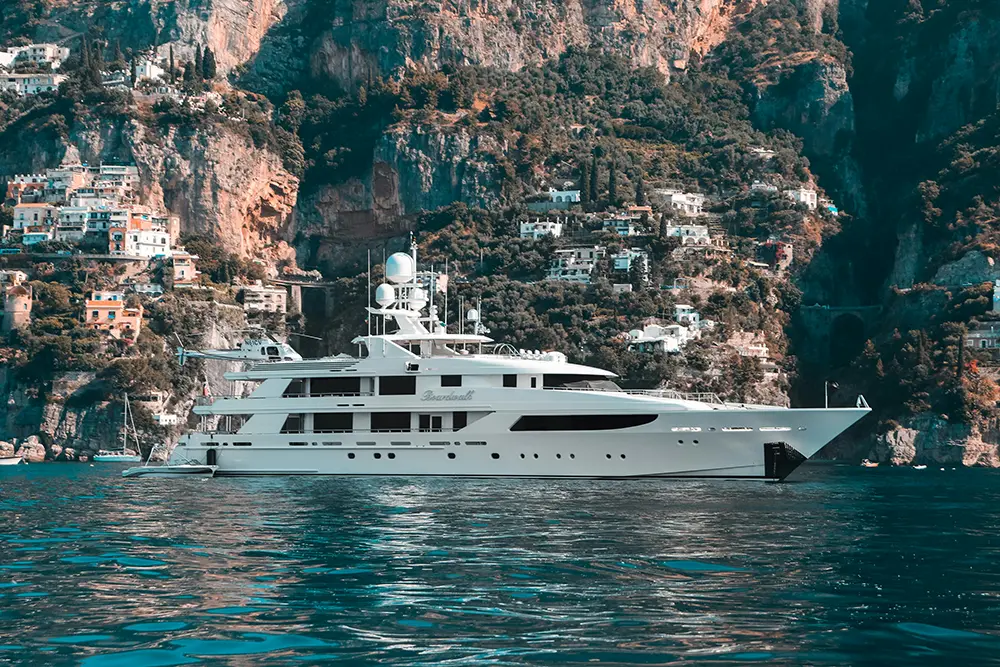
Small changes in light, temperature, and sound become noticeable when travel slows down. Unlike roads, water offers no straight lines. Navigation requires listening. Progress happens, but never aggressively.
The yacht as a filter
A yacht is often misunderstood as excess. In reality, it is a filter. Boat travel encourages observation rather than reaction, which is rare in modern movement. Space is limited, and limitation creates clarity. Every object onboard must justify its presence. There is no room for clutter, physical or mental.
Daily life changes shape. Meals follow daylight. Rest follows motion. The weather becomes more important than the news. The yacht gently edits priorities until only essentials remain. Unlike fast transport, a boat allows the body to adjust naturally to distance and time.
Luxury may exist, but dominance does not. Even the largest yacht answers to wind and current. Control is replaced by cooperation.
Routes that drift on purpose
Boat routes are rarely efficient. They curve along coastlines, slow down near harbors, and sometimes stop completely. This inefficiency is not a flaw. That is the point.
Some of the most meaningful experiences happen outside destinations:
- A long stretch of calm water where nothing needs to happen
- A quiet arrival at dusk when the shore lights appear one by one
- A night passage where sound matters more than sight
These moments resist capture. They are complete without witnesses.
From possession to participation
Boating culture is shifting. Ownership is no longer central. Experience has taken its place. Access matters more than display. Platforms like GetBoat reflect this change by allowing people to step into boat travel without building an identity around possession.
This approach makes water travel more human. A short trip becomes enough. A single afternoon can feel whole. Boats return to being tools for movement, not symbols.
Silence that moves
Silence on water is active, not empty. It carries wind, waves, and distant engines. This layered quiet allows thoughts to slow without stopping. There is no pressure to fill the space.
Boat travel offers something rare: time without instruction. There is nothing to optimize or track. Motion continues even when nothing is done. This creates rest that feels natural rather than planned.
Conclusion
Travel by boat does not promise escape. It offers recalibration. Yachts and boats remind travelers that speed is not the same as progress. Water accepts patience without resistance and rewards awareness quietly.
In a world trained to rush toward results, boat travel suggests another way forward. Move slowly. Pay attention. Let the journey exist without forcing it to end. That lesson remains long after land comes back into view.
https://unsplash.com/photos/white-cruise-ship-on-body-of-water-during-daytime-MTAJJUc-Vr4