

Storms and high winds have a habit of leaving behind more than just a few scattered leaves. Fallen branches, snapped limbs, and even small trees can quickly turn your yard into a mess that looks like it will take days to clean up. For many people, the idea of spending an entire weekend hauling and sawing is enough to make them put the job off altogether. But clearing fallen branches doesn’t have to be a back-breaking project. With a little planning and the right tools, you can handle the mess quickly and safely, often in just a few hours. A reliable electric chainsaw is one of the simplest ways to cut down the time and effort involved.
Start With a Quick Assessment
Before you dive in, take a walk around your yard and size up the situation. Are the branches small enough to be bundled for collection, or are you dealing with heavy limbs that need cutting before they can be moved? Look out for hazards like broken branches still hanging in trees, which could fall while you’re working. Taking five minutes to plan your approach saves you from wasted effort and keeps you safer while you work.
Safety First
Even small branches can cause injury if handled carelessly, so don’t skip safety precautions. Gloves protect your hands from splinters, while sturdy boots give you grip and reduce the chance of slipping. If you’re cutting branches, protective glasses and ear protection are essential. Safety isn’t just about gear, though — it’s also about knowing your limits. If a branch looks too large, or if it’s tangled in power lines, call a professional. No yard job is worth risking serious injury.
Break the Job Into Smaller Steps
One of the main reasons people get stuck on clean-up jobs is treating it like one huge task. Instead, break it down. Start with the easy wins: gather smaller twigs and lightweight branches into piles. These can be bundled for green waste collection or even chipped for mulch if you have access to a shredder. Then move on to medium-sized limbs, cutting them into manageable sections. Leave the heaviest work until last, once the space is clearer and safer to move around in.
Use Tools That Do the Heavy Lifting
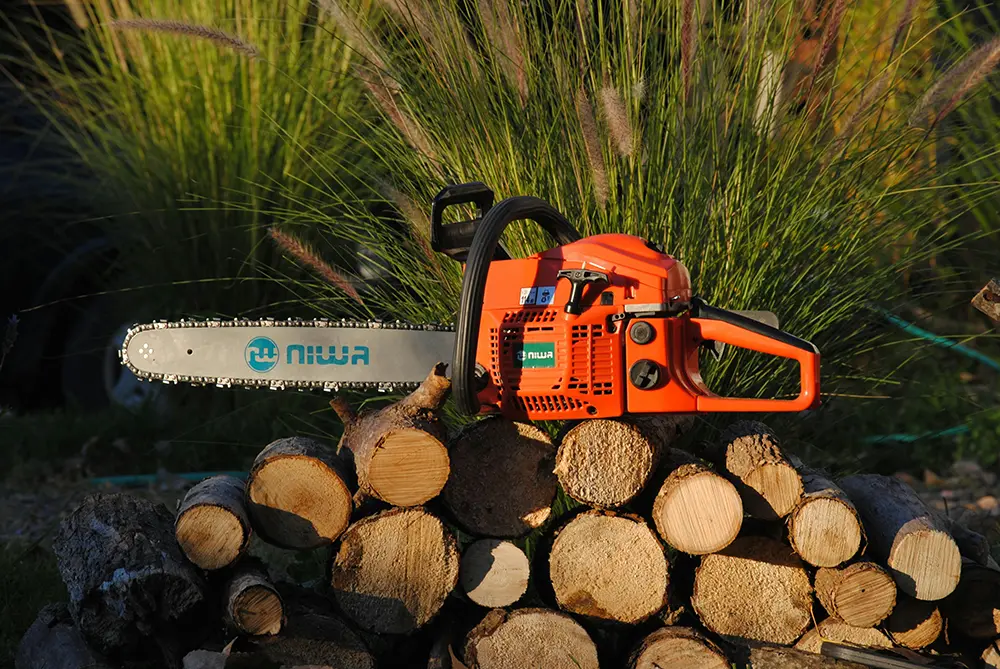
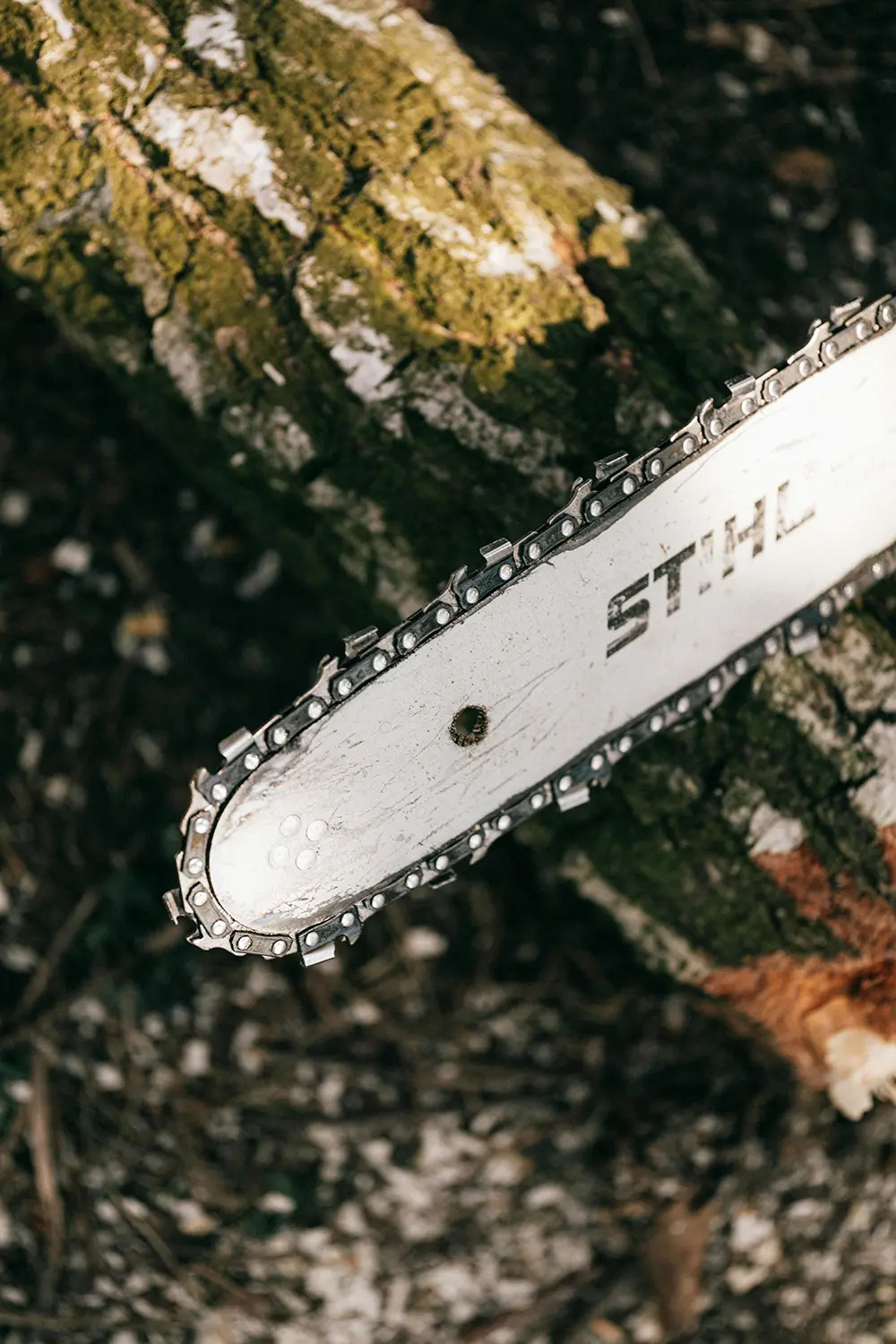
Trying to cut large branches with a hand saw is one of the quickest ways to drain your energy and enthusiasm. Power tools save enormous amounts of time. Pole saws help you reach higher branches without climbing, while an electric chainsaw is ideal for cutting through larger limbs efficiently. The benefit of electric models is that they’re easier to start, require less maintenance, and are generally quieter than petrol alternatives — making them perfect for homeowners who want a practical solution without the hassle.
Make Cleanup Easier With Simple Tricks
Hauling branches one at a time can feel endless, but there are smarter ways to manage the load. A tarp works brilliantly: just pile the branches on top and drag it to your collection point. Wheelbarrows and garden carts are also handy for moving cut sections without straining your back. Keep a few sturdy ropes or bungee cords nearby too — they can help secure awkwardly shaped bundles, making them easier to move in fewer trips.
Think About Disposal Before You Start
Different areas have different rules for yard waste, so it’s worth checking your options before cutting everything down. Some councils offer curbside pickup, while others require branches to be bundled a certain way. You might also have a local recycling centre or green waste facility where branches can be dropped off. If you’ve got the space, consider keeping some of the wood for firewood, or using a chipper to turn it into mulch for your garden beds.
Stay Ahead With Preventative Care
The best way to keep fallen branches from taking over your weekends is to prevent them from becoming a problem in the first place. A bit of regular tree care goes a long way. Prune dead or overhanging branches during the year so storms have less to break. Keep an eye on trees close to your home or fences, as these are the most likely to cause trouble if left unchecked. Spending an hour here and there on maintenance is far easier than tackling a yard full of storm debris at once.
Get the Job Done and Move On
Cleaning up after a storm doesn’t have to mean giving up your entire weekend. By taking a methodical approach, working safely, and using tools that make the job easier, you can get your yard back in order without exhausting yourself. With a few smart tricks and the right preparation, what looks like a mountain of branches can be reduced to a manageable project — leaving you free to spend your weekend how you actually want to.