

Few things are more confusing than having “good internet” that still fails at the worst moments. A movie buffers halfway through. A game lags just as things get intense. A video call freezes mid-sentence. It feels inconsistent and unfair, especially when everything relies on the same connection.
The reason this happens is simpler than it seems. Streaming, gaming, and video calls don’t use the internet in the same way at all. Before blaming your plan or looking up new internet providers, it helps to understand what each activity actually needs to work properly.
Not All Internet Use Is the Same
Most people think internet quality comes down to one thing: speed. If the number is high, everything should work smoothly. In reality, different activities stress different parts of a connection.
Think of your internet like a road system:
- Speed is how wide the road is
- Latency is how quickly traffic moves
- Stability is whether the road stays open
Streaming, gaming, and video calls all care about different combinations of these factors. When one struggles, it doesn’t mean the others should too.

Why Streaming Fails When Everything Else Feels Fine
Streaming video mostly cares about one thing: consistent bandwidth.
Services like Netflix or YouTube send data in chunks and buffer ahead. As long as data arrives steadily, playback looks smooth. Brief slowdowns often go unnoticed because the buffer absorbs them.
Streaming struggles when:
- Bandwidth drops suddenly
- Multiple streams compete at once
- Peak-time congestion reduces consistency
This is why streaming often degrades in the evening. The plan might be fast enough on paper, but shared usage makes delivery uneven. The result is buffering, reduced quality, or longer load times.
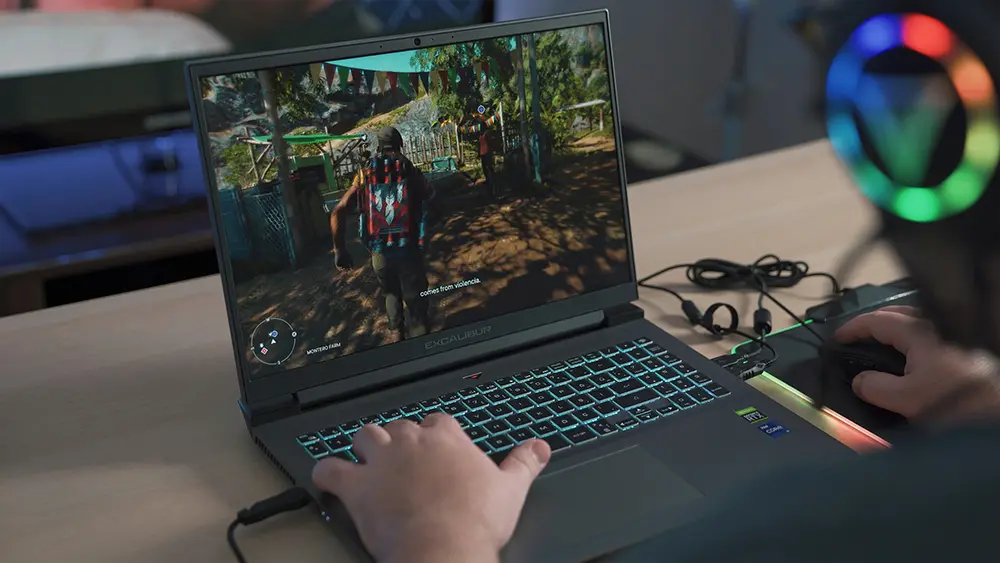
Why Gaming Feels Broken Even on Fast Plans
Online gaming is far less forgiving.
Games send and receive tiny packets of data constantly. They care much less about raw speed and far more about latency and stability.
Gaming suffers when:
- Latency is high
- Jitter causes delays to vary
- Packet loss interrupts communication
A connection can download large files quickly and still feel terrible for gaming. That’s because even small delays are noticeable when timing matters.
Wi-Fi interference, weak signals, or congested networks often show up first during gaming, even if streaming seems fine.
Why Video Calls Are the First to Collapse
Video calls are the most demanding in everyday use because they rely on two-way communication in real time.
Unlike streaming, video calls can’t buffer ahead. Your audio and video must be sent and received instantly.
Video calls struggle when:
- Upload speeds are low
- Latency fluctuates
- The connection drops briefly
This is why video calls expose weaknesses quickly. Even short interruptions can cause freezing, robotic audio, or dropped calls.
Many plans advertise strong download speeds but much weaker upload performance. That imbalance shows up immediately during calls.
How Multiple Activities Compete With Each Other
Problems often appear when activities overlap.
For example:
- Someone streams while another person joins a video call
- A game runs while cloud backups upload in the background
- Several devices connect over Wi-Fi at once
Each activity competes for bandwidth and stability. Streaming can tolerate small dips. Gaming and calls cannot. When demand spikes, the most sensitive activity suffers first.
This makes it feel random, even though it’s predictable once you know what to look for.
Why Wi-Fi Makes the Problem Worse
Many performance issues are blamed on the internet plan when the real issue is Wi-Fi.
Wi-Fi problems include:
- Poor router placement
- Interference from walls or devices
- Older routers struggling with modern usage
- Weak signals in certain rooms
Streaming may still work because it buffers. Gaming and calls expose these weaknesses immediately.
Testing with a wired connection often reveals whether Wi-Fi is the limiting factor rather than the internet service itself.
Peak Hours Change the Rules
Internet performance often drops at the same time every day.
During peak hours:
- Networks are busier
- Latency increases
- Stability decreases
Streaming may lower quality to cope. Games and calls don’t have that option.
This explains why a connection feels fine during the day but unreliable at night, even though nothing changed inside the home.
What You Can Do Without Changing Your Plan
Understanding the differences helps you make practical improvements.
Simple steps include:
- Prioritising wired connections for gaming or work calls
- Moving the router to a central, open location
- Reducing background uploads during calls
- Upgrading old routers that struggle with multiple devices
These changes often improve performance more than upgrading speed alone.
Matching Expectations to Reality
Streaming, gaming, and video calls fail for different reasons because they ask different things from the same connection. When one struggles, it doesn’t automatically mean the plan is wrong.
Once you know what each activity needs, problems become easier to diagnose and fix. Instead of guessing or overpaying, you can target the real bottleneck.
When expectations align with how the internet actually works, everyday frustrations turn into manageable adjustments — and your connection starts behaving the way you thought it should all along.