

If you love jaw-dropping wildlife photos and breathtaking views, you are in for a serious treat. The 2026 Australian Geographic Nature Photographer of the Year (AGNPOTY) competition just dropped its shortlist of 100 incredible images, and the internet is collectively losing its mind. Now in its 23rd year, this massive contest hosted by the South Australian Museum brought in a staggering 2,129 entries from all over the world.
The judges had the impossible task of narrowing those down across 10 awesome categories—covering everything from tiny macro details and junior talent to stunning landscape photography and threatened species. The resulting shortlist is an absolute masterclass in patience and storytelling.
Take John Harrison’s brilliant capture of a group of royal penguins having a hilariously awkward standoff with a massive elephant seal. Or Lewis Burnett’s shortlistyshot of a tiger snout seahorse floating against a backdrop of glowing pink soft coral—proving that underwater photography can look straight out of a fantasy movie.
The tiny details are just as mind-blowing. Photographers caught clusters of newborn spiderlings dangling like a “spider piñata” and translucent green bug nymphs huddling together for camouflage. From a great egret proudly strutting with its fresh catch to a tiny loggerhead turtle hatchling making a high-stakes dash for the ocean at sunset, every single shot captures a fleeting, emotional moment.
Honestly, this nature photography competition proves that our planet is full of magic if you just know when to look. It’s a beautiful reminder of why we need to protect these wild spaces!
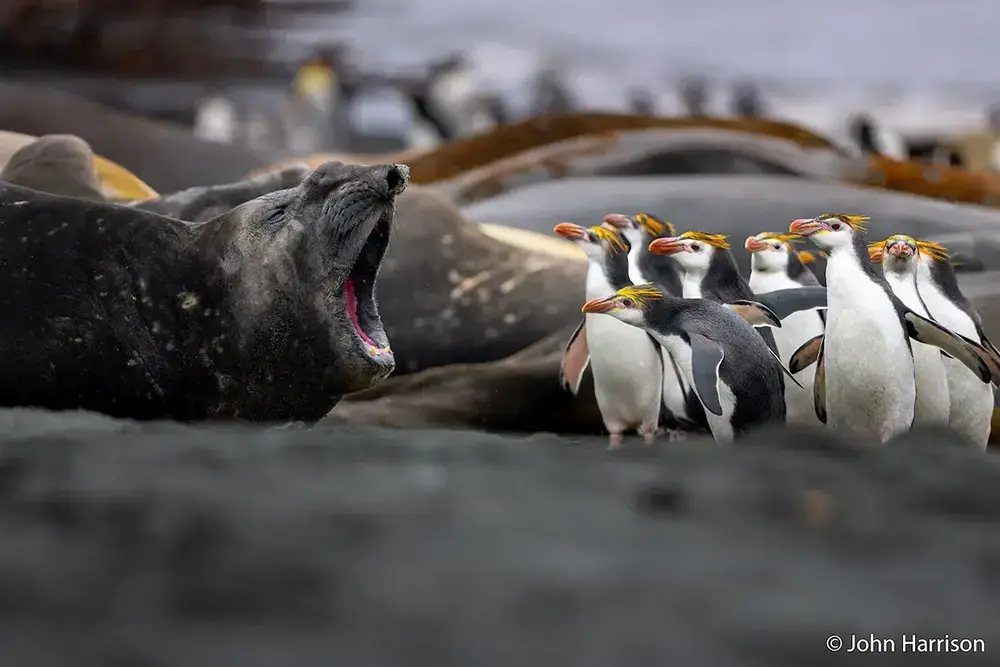
“A group of royal penguins pause mid-march as an elephant seal voices objection. Confidently striding up the shoreline earlier, the penguins reconsider their route in the face of overwhelming size and sound. This fleeting negotiation between species, where determination meets dominance, shows that even the boldest procession knows when to hesitate.”
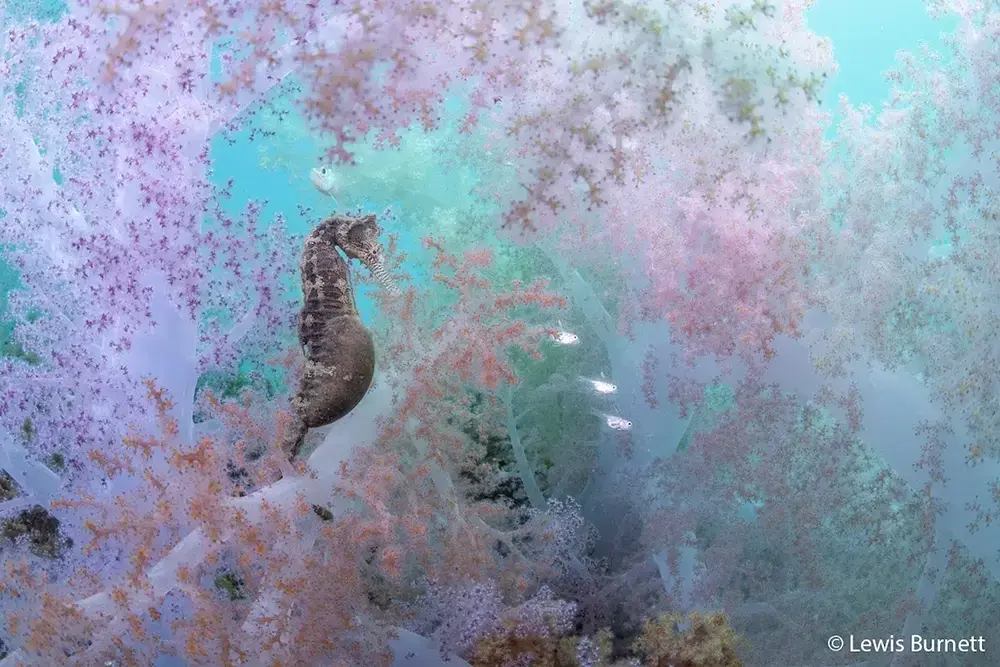
“Fairyfloss depicts the aptly named tiger snout seahorse at home in its kingdom. These seahorses are usually found in murky, sediment-rich environments, which often leads to unappealing images. This site is known for spectacular soft coral growths, so I was able to photograph this iconic species with a background that does them justice.”
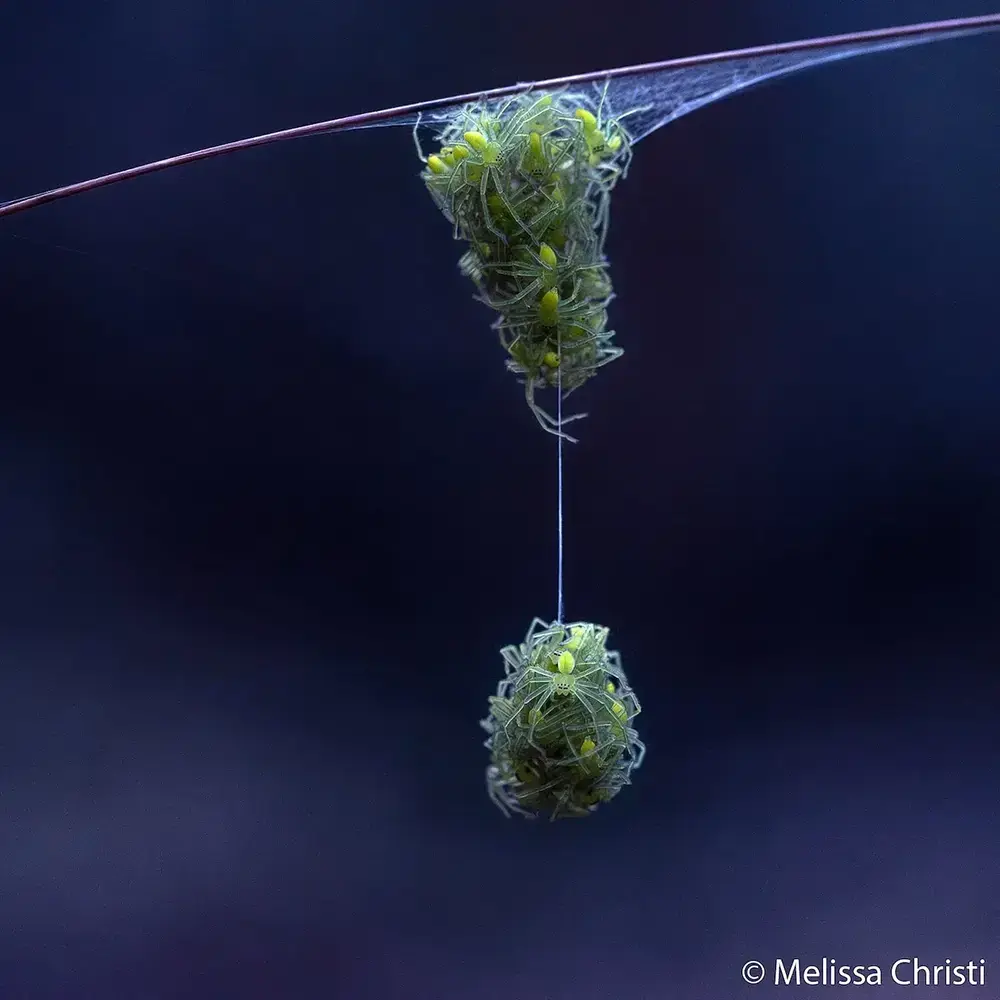
“We spotted a faint yellow blob nestled in the grass; tiny spiderlings clustered after hatching. They do this to stay safe while they absorb egg nutrients and complete their first moult. Something had disturbed them, as a small clump of spiderlings dangled by a thread—not unlike a small piñata!”
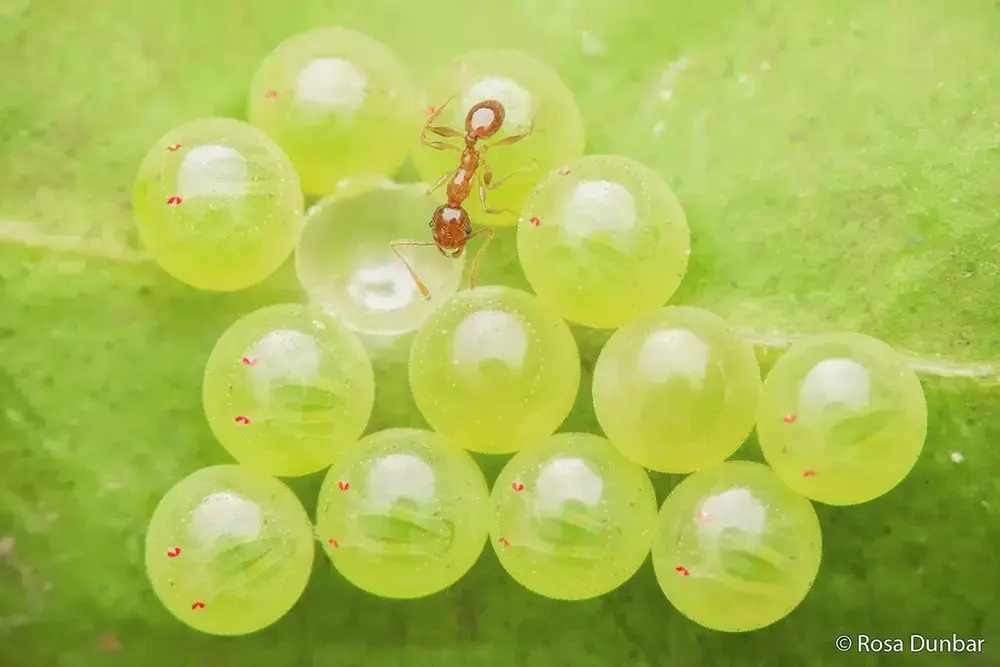
“Translucent green nymphs of the bronze orange bug cluster near their emptied egg raft after hatching. During this first instar stage, they remain aggregated before dispersing following moulting. Their pale green colouration provides effective camouflage, making them difficult to detect. They are often mistaken for other insect species.”
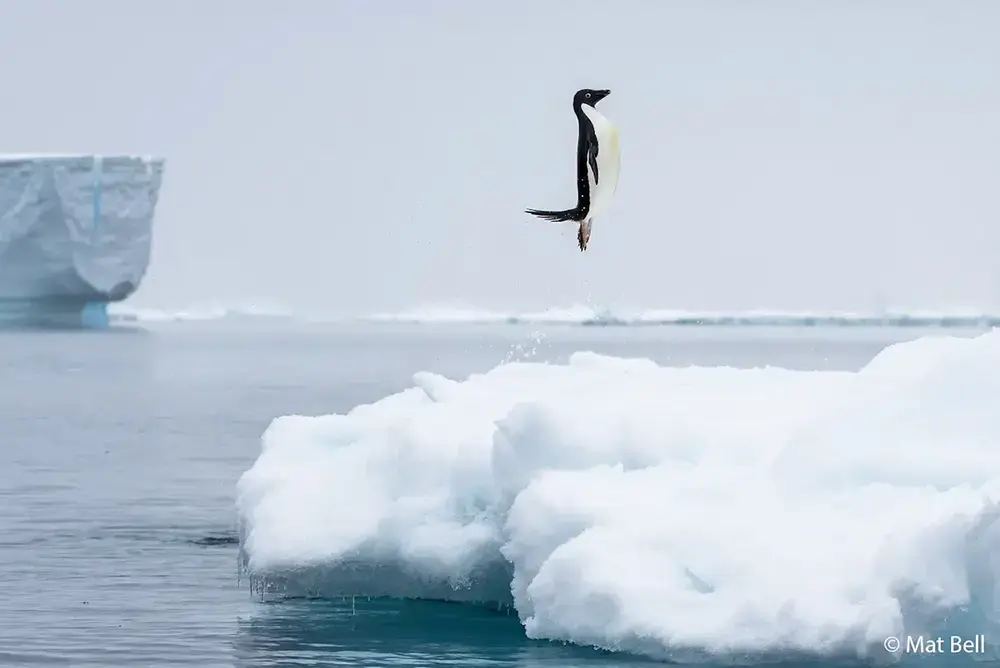
“Huddled in a Zodiac boat in icy waters off the Antarctic Peninsula, I waited patiently for an Adélie penguin to propel itself from the water to the safety of an iceberg. Persistence delivered as I captured this penguin in an almost levitational-like state, as if posing for the camera.”
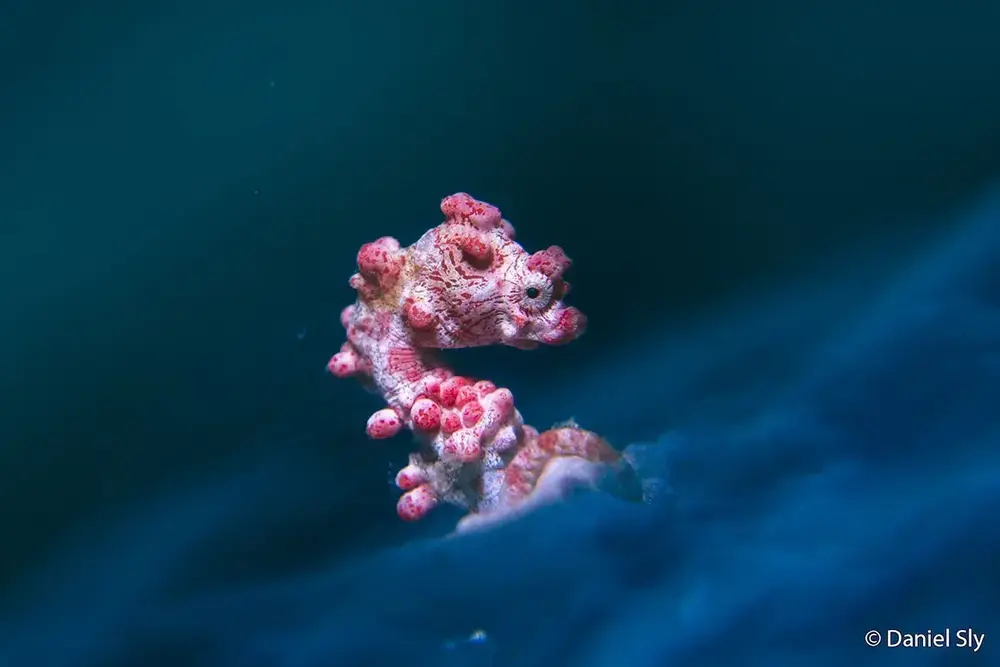
“A pygmy seahorse clings to a pink gorgonian sea fan, blending seamlessly into its surroundings. A narrow beam of light isolates the tiny subject from the reef, while a slower shutter speed transforms its habitat into a soft, shortlistlke blue.”
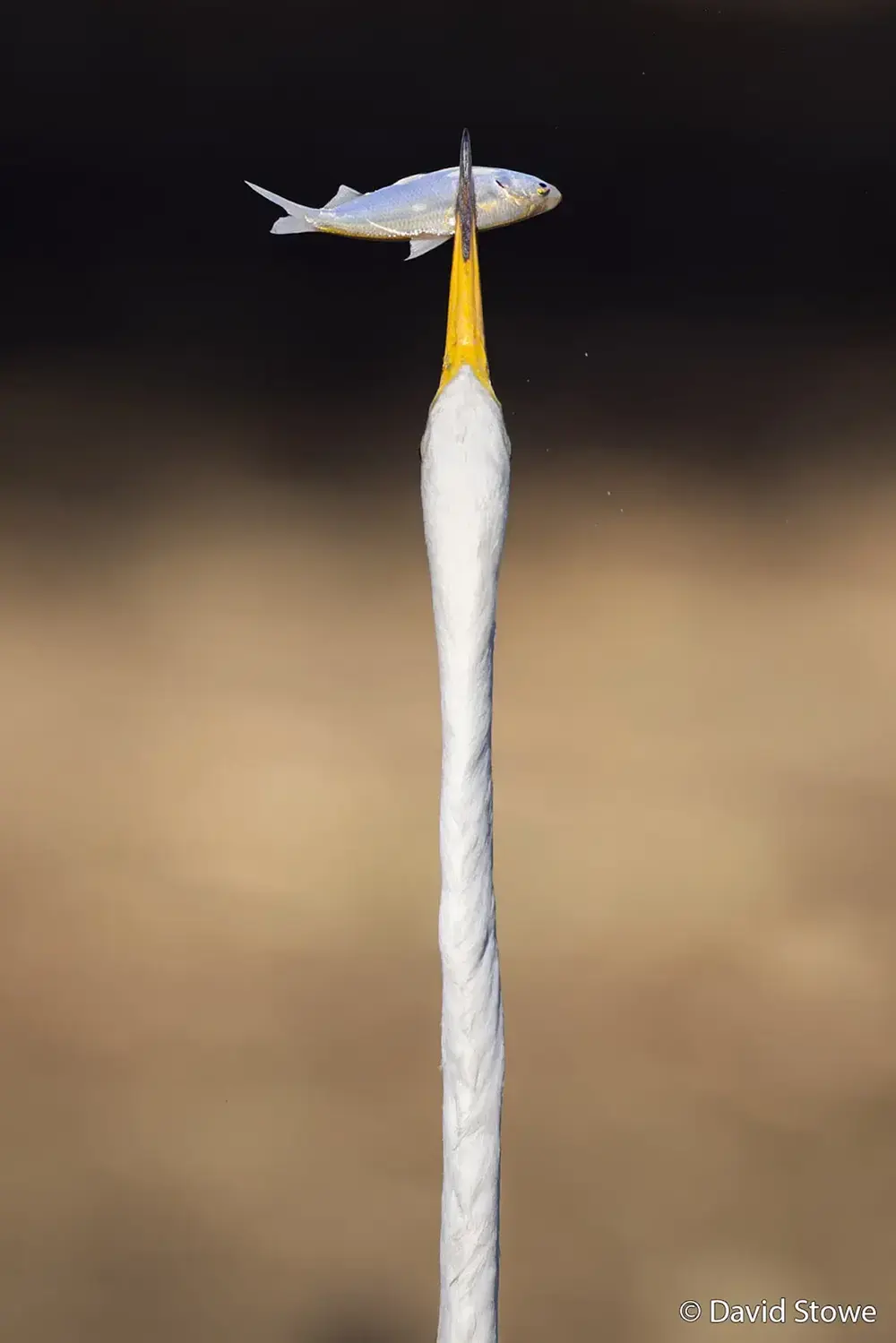
“As flooding from the Lachlan River subsided, large numbers of waterbirds were feeding in a drying waterhole. When this great egret plucked a fish from the water and lifted it high as he walked away, I was able to create a striking image, showing off the egret’s long, spear-like neck and bill.”
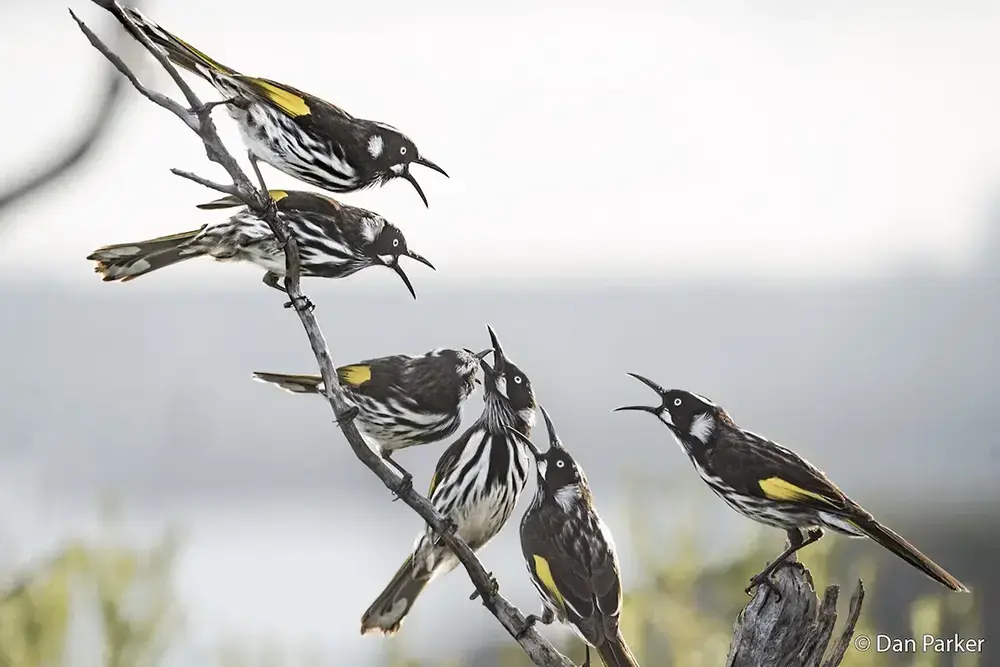
“The sun was nearly setting. I’d been watching them for the last five hours, flitting between the shrubs that covered the headland, fighting mid-air and chattering non-stop in large groups. I wanted to capture this action and, luckily enough I managed to get a shot I was pretty happy with.”
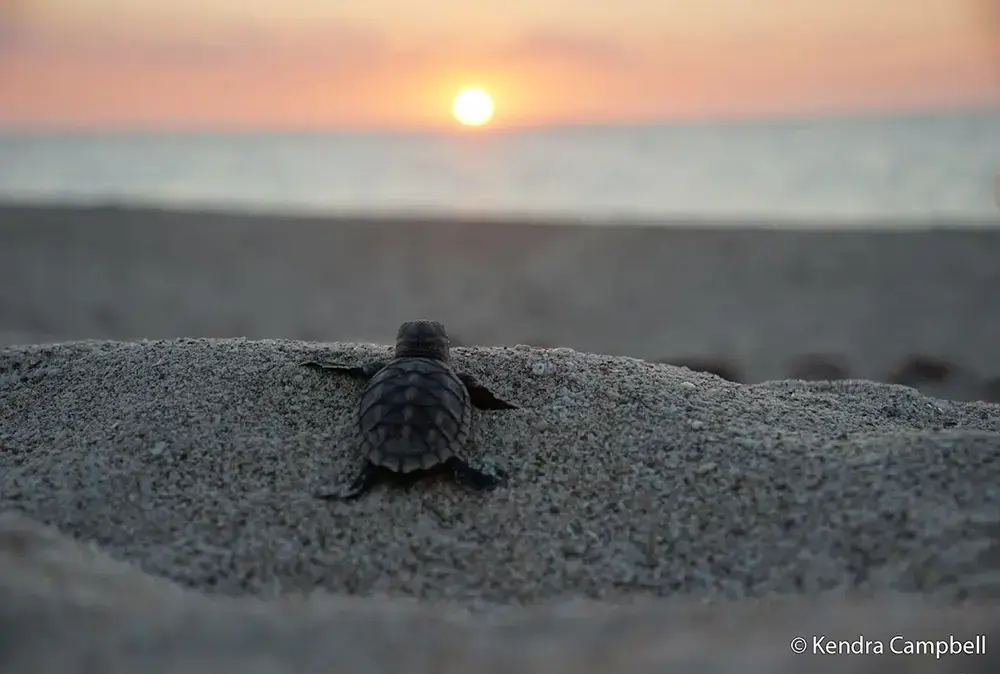
“As I lay on the sand behind this hatching nest at sunset, I thought about how the statistics are against their survival. Then, that this may be the one in 1,000 that survives against the odds, returning to this same beach to nest in several decades.”