

When Function Meets Beauty in Home Design
Home design isn’t just about style anymore. It’s about finding smart ways to make every element in a space work harder. Think built-in storage that looks like a feature wall, or lighting that doubles as sculpture. More than ever, people want their homes to be both beautiful and practical. That’s why multi-functional design is in high demand.
One standout example? Acoustic panels. What started as a niche product used in recording studios has evolved into a go-to design solution for modern homes. These panels are no longer just about controlling sound—they’re about adding texture, color, and character to a room. Whether subtle or bold, they’re proof that function and aesthetics can coexist beautifully.
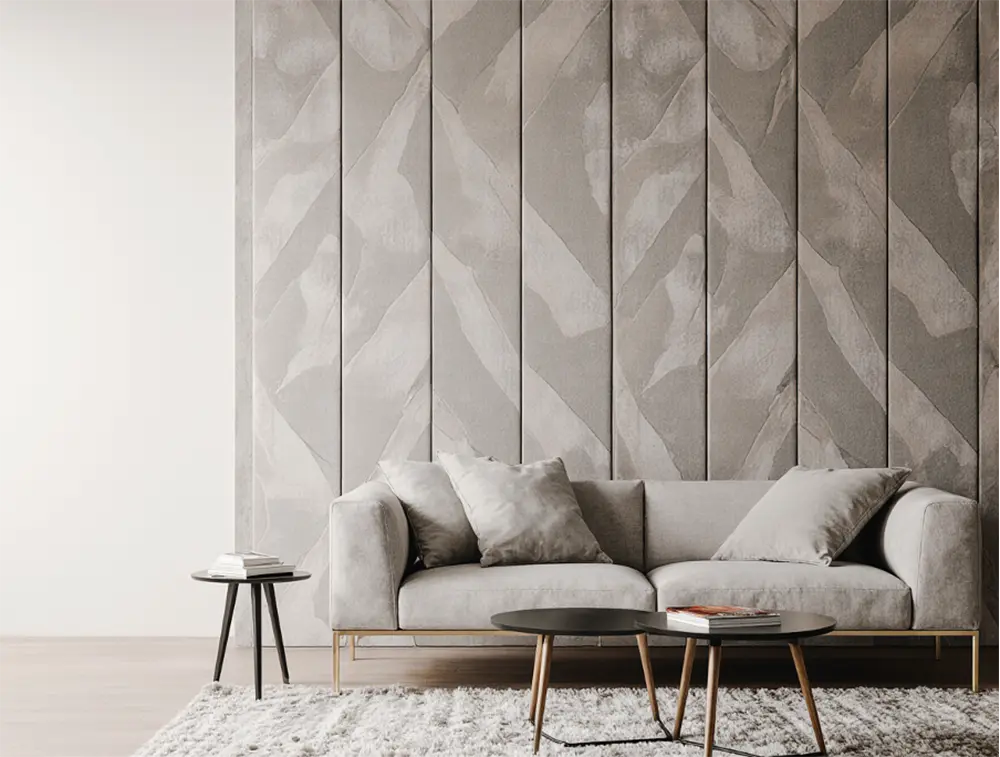
Why the shift? As open floor plans became popular and remote work transformed homes into offices, managing sound became a challenge. City noise, video calls, home theaters—it all adds up. Good acoustics can dramatically enhance the feel and functionality of a space, and today’s panels achieve this without compromising design.
The Aesthetic Revolution of Sound Treatment
From Studio to Living Room
In the beginning, acoustic panels were built purely for sound absorption. They were large, plain, and usually hidden from view. You’d find them in music studios, performance venues, and other pro audio environments—not in stylish homes.
But as people became more aware of the role sound plays in comfort, designers saw an opportunity. Panels didn’t have to be boring. They could be sculptural. They could be patterned. They could become part of the room’s personality. This thinking sparked a wave of innovation, and the results speak for themselves.
Material and Texture Innovations
Today’s panels are available in a wide range of materials to match different styles. Fabric panels are soft and understated. Wooden slats add warmth and rhythm. Some designs use metal for a sleek, industrial feel. Eco-friendly options made from recycled materials are also on the rise—perfect for sustainably minded homeowners.
Texture matters just as much as material. Smooth panels can blend in seamlessly, while ribbed or geometric surfaces add visual depth. Whatever your style—minimalist, rustic, bold—there’s a texture and material combo that will elevate your space both acoustically and visually.
Design Styles and Integration Ideas
Minimalist and Modern Approaches
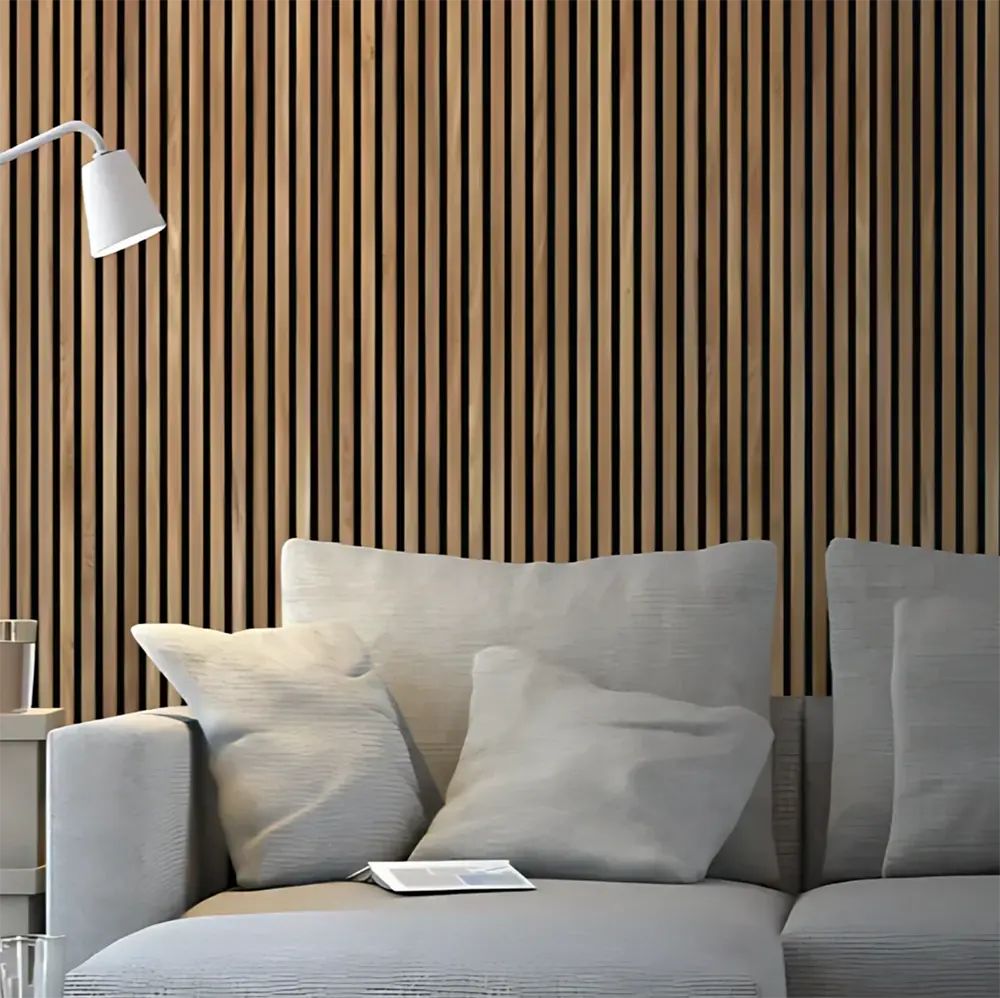
In minimalist interiors, less is always more. Clean lines, neutral palettes, and subtle details define the look. Acoustic panels fit in perfectly when designed right. Slim, fabric-covered panels in soft grays, whites, or beige tones can fade into the background or echo the room’s geometry. Vertical slat designs in light wood add rhythm without clutter.
In modern homes, integration is key. Panels can be placed symmetrically, aligned with shelves or furniture, or even built into wall niches. The result? A seamless, cohesive space where nothing feels out of place, even the sound treatment.
Bold and Artistic Statements
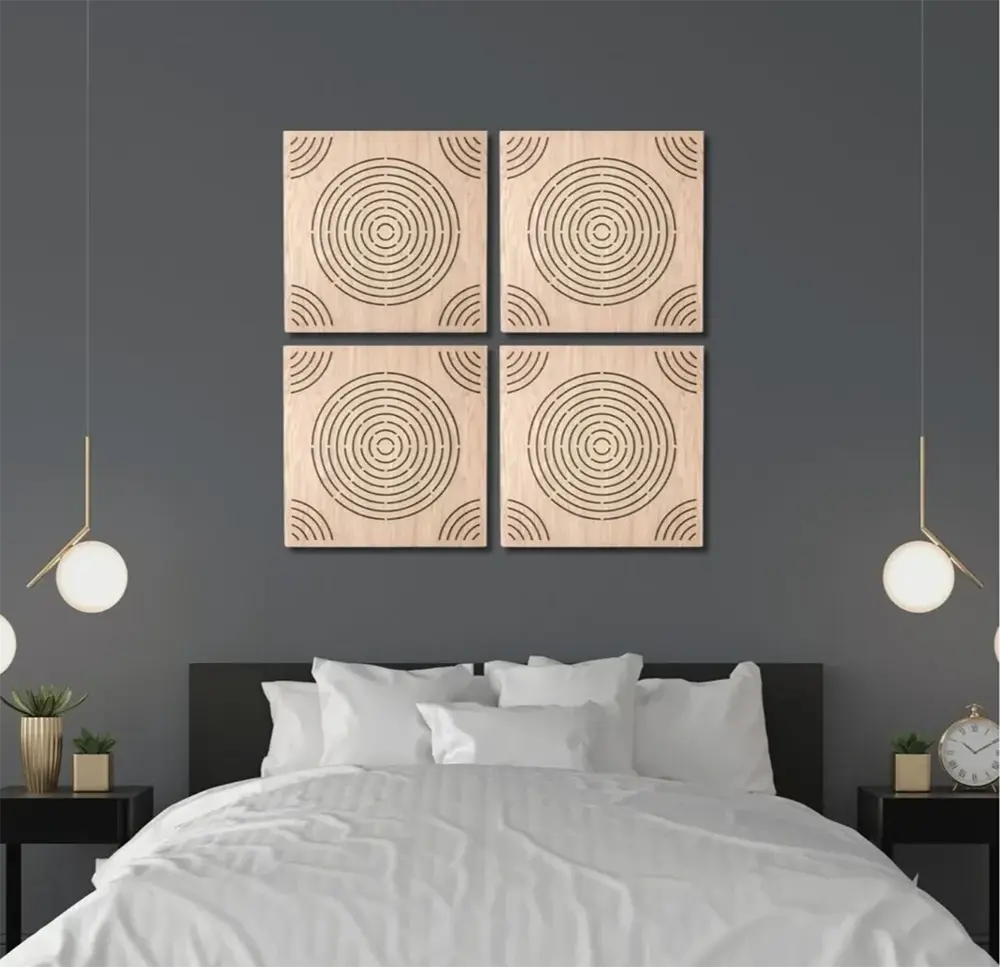
But not everyone wants subtle. For some, acoustic panels are a chance to make a bold statement. Think rich colors like navy, emerald, or terracotta. Think sculptural panels with 3D textures or sharp angles. Think panels arranged like a geometric mural or patterned mosaic.
These panels don’t just absorb sound—they command attention. They can act as a feature wall in a living room, a dramatic backdrop behind a bed, or even replace traditional artwork in a hallway or dining space. Sound control becomes a conversation starter.
Custom and Personalized Solutions
For something truly one-of-a-kind, custom acoustic panels are the ideal choice. Some companies offer printing services so you can turn personal photos, digital art, or even company branding into sound-absorbing wall decor. It’s a great option for home offices, studios, or creative workspaces.
DIY fans aren’t left out either. With the right materials—acoustic foam, wooden frames, fabric—you can build your panels that match your exact style. Paint them, wrap them in custom textiles, or arrange them in unexpected patterns. Installation can be as flexible as your imagination, from standard wall-mounting to magnetic panels, you can easily move and rearrange.
Choosing the Right Panels for Your Space
Room Assessment and Planning
Before you buy anything, take stock of your space. What’s causing the noise? Is it an echo from bare walls, street sounds leaking in, or noisy neighbors? Rooms with hard surfaces—such as kitchens, lofts, and open living areas—often require more sound treatment than carpeted, closed-off spaces.
Once you know the issues, plan your panel placement. Ceilings, corners, and large wall surfaces are prime spots. Think about where sound bounces most and where you spend the most time. Strategic placement always beats just covering the largest area.
Color and Pattern Selection
When it comes to design, treat acoustic panels like any other wall feature. Match them to your color palette or let them contrast for visual impact. Soft neutrals blend well in calming spaces. Bright tones or prints can add personality to rooms that need a little energy.
Panels can enhance existing themes—like natural wood in a Japandi space or black matte panels in a moody, modern lounge. Use patterns to tie together other design elements or to introduce a new visual layer.
Decorative acoustic panels show how far home design has come. No longer limited to pure function, these pieces solve real problems and elevate a space. They prove that good design listens—not just with the eyes, but with the ears too. In a world where homes are expected to do more than ever, beautiful and functional solutions like these are worth the investment.