

Why a Cleaning Routine Matters
Keeping a home feeling clean has less to do with how much effort you put in and more to do with whether you’re using the right method for the right kind of mess. Visible dirt, settled dust, and allergens each call for different tactics, and once a household understands those differences, cleaning tends to take less time while delivering better results. For quick pickups of dust, crumbs, and pet hair between deeper cleaning sessions, many people reach for a cordless vacuum to handle floors and furnishings. This article sticks to general cleaning principles and routines rather than promoting any particular product, so the ideas here work regardless of what tools a household already has on hand.
Understand the Difference Between Cleaning, Sanitizing, and Disinfecting
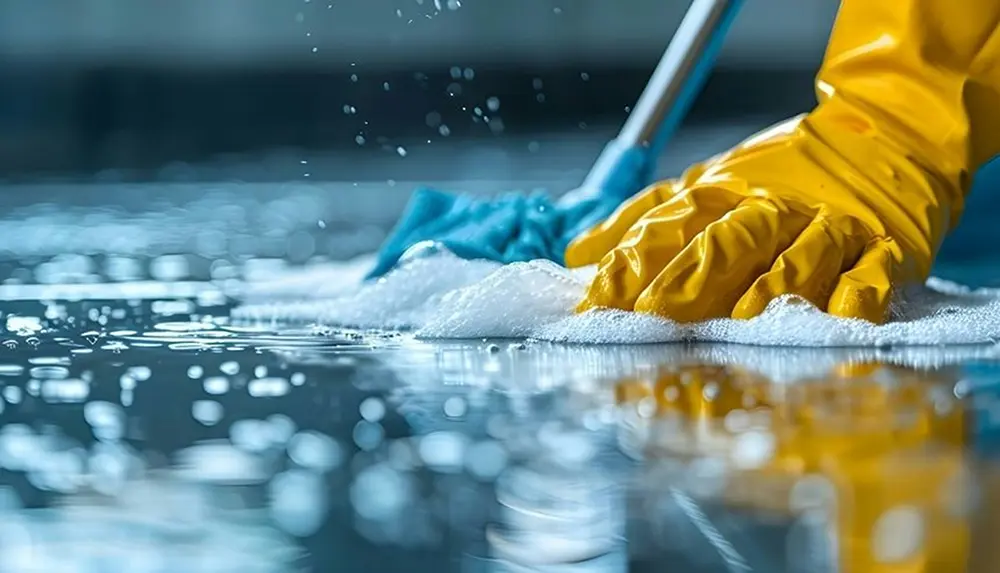
Cleaning removes dirt, dust, debris, and some germs from surfaces, usually with soap or detergent and water. For most household surfaces, that’s all you need. Visibly dirty surfaces should generally be cleaned before any disinfectant goes on, since leftover soil and grime can blunt a disinfectant’s effectiveness.
Disinfecting does something different: it kills or inactivates germs, but only when a product is used exactly as the label directs. Most households don’t need to disinfect every surface routinely. It makes more sense during illness, after handling raw food, or on frequently touched objects like doorknobs and light switches. Always follow the label for contact time, ventilation needs, and any protective equipment it calls for.
Never mix bleach with other cleaners or disinfectants—doing so can produce hazardous fumes. Keep rooms ventilated when using chemical products, and remember that the goal is a reasonably clean home, not a sterile one. Public-health agencies such as the Centers for Disease Control and Prevention offer solid guidance on when extra disinfection is actually warranted.
Identify the Main Sources of Household Dust
Household dust isn’t one substance—it’s a mix of several. Skin flakes and textile fibers, outdoor soil tracked in on shoes, pet hair and dander, pollen, and fibers shed from carpets, upholstery, and bedding all contribute. Dust has a habit of settling on baseboards, shelves, blinds, moldings, and under furniture—exactly the spots that are easy to walk past without a second glance.
Try this simple exercise: walk through one room and scan surfaces at different heights, from ceiling fixtures down to floor edges, and note where dust seems to pile up fastest. A household with pets or young children, or someone managing allergies, will likely find different trouble spots than a household without those factors—and that kind of observation leads to a far more useful, personalized routine than any generic schedule could offer.
Use the Right Method for Each Surface
Matching the method to the surface saves effort and prevents damage:
- Hard floors: Follow the flooring manufacturer’s guidance on moisture and cleaning solutions; frequent light cleaning in high-traffic zones is usually easier to keep up with than occasional deep cleaning.
- Carpets and rugs: Vacuum regularly, especially in homes with pets or heavy foot traffic.
- Shelves and furniture: Use damp dusting with a microfiber cloth rather than dry dusting, which tends to scatter particles into the air instead of actually capturing them.
- Electronics: Use minimal moisture and stick to manufacturer instructions to avoid damage.
- Kitchens and bathrooms: Prioritize surfaces with grease, food residue, or soap buildup, and adjust frequency based on use and ventilation.
When dusting a room, work from the top down so dislodged particles land on surfaces you haven’t cleaned yet, and save targeted disinfection for high-touch surfaces or situations involving illness rather than applying it everywhere out of habit.
Build a Practical Cleaning Schedule
A workable routine tends to fall into three tiers:
Frequent essentials: Wipe up spills right away, clean heavily used kitchen surfaces, address visibly dirty floor areas, and tend to high-touch surfaces as needed.
Weekly maintenance: Vacuum carpets and upholstery, dust shelves and baseboards, clean bathroom fixtures, and wash reusable cleaning cloths.
Occasional deep cleaning: Clean beneath furniture and appliances, wash curtains and bedding according to their care labels, check vacuum filters and brushes, and reassess the whole routine after a move, renovation, or new pet.
This schedule should flex around home size, occupancy, pets, allergies, and available time—there’s no single correct version of it.
Improve Cleaning Efficiency Without Cutting Corners
Decluttering surfaces before you start makes dust and debris far easier to remove. Work top to bottom and clean to dirty, gather your supplies ahead of time so you’re not interrupted mid-task, and consider keeping separate cloths for kitchens, bathrooms, and living spaces. Maintain vacuum equipment according to manufacturer instructions, and resist using more product than the label recommends—extra product usually just leaves residue behind without improving the result.
Picture a household that handles cleaning in short five-minute resets scattered through the week, paired with one more thorough weekly dust-and-floor session and occasional deeper cleans on top. That layered approach often leaves a home feeling cleaner without requiring constant effort.
Consider Indoor Air Quality and Household Health Needs
Reducing settled dust can limit how much gets stirred into the air during everyday activity, but cleaning alone isn’t a guaranteed way to prevent allergy or respiratory symptoms. People with asthma, allergies, or weakened immune systems may need routines tailored with input from healthcare professionals. Ventilation and moisture control matter just as much, and household cleaning can’t fix issues like persistent mold or combustion pollutants on its own—those usually call for separate remediation.
Common Cleaning Mistakes to Avoid
- Dry-dusting surfaces, which just redistributes particles instead of removing them.
- Disinfecting visibly dirty surfaces without cleaning before disinfecting.
- Never mix bleach with other cleaners or disinfectants.
- Ignoring the product’s required contact time.
- Using water or cleaning products on surfaces that need specialized care.
- Overlooking baseboards, upholstery, entryways, and filters.
- Setting an unrealistic schedule that’s hard to stick to.
- Assuming a stronger scent or larger quantity means better results.
A Simple Framework for Personalizing the Routine
Think about which rooms see the most traffic, whether pets or young children are in the picture, where dust seems to accumulate fastest, which surfaces need special handling, and whether anyone in the household deals with allergies or respiratory concerns. Prioritize based on risk and visible buildup rather than chasing rigid uniformity—a sustainable routine will always beat an ambitious one that gets abandoned after a few weeks.
A Cleaner Home Through Consistent, Targeted Habits
Effective cleaning really comes down to matching method to surface, using damp dusting and regular floor care for settled particles, saving disinfection for moments where it actually offers a benefit, and shaping the schedule around the household rather than following some generic checklist. Start by identifying the three spots in your home that collect the most dust or see the most use, then build a manageable routine around those.
About the author: This article was prepared by a writer with background in household maintenance and consumer education, drawing on publicly available guidance from public-health and environmental organizations.