

The idea of chopping down a tree feels like the very opposite of environmental responsibility. We are taught to value trees as the lungs of the earth, providers of shade, and anchors for biodiversity. But as with most things in nature, context matters.
There are situations where calling in professional tree removal services is not an act of harm but an investment in the health of the broader environment and the safety of the community.
The Hidden Risks of Ageing and Invasive Trees
Not every tree is a blessing to the landscape. Some reach a point where they no longer contribute positively to the ecosystem, and in certain cases, they actively undermine it. Take invasive species, for example. These trees often spread aggressively, choking out native plants, altering soil chemistry, and reducing habitat for local wildlife. Over time, what looks like a thriving tree can actually become a saboteur of biodiversity.
Then there are the ageing or diseased trees. A mature gum with a hollow trunk may look picturesque until a storm hits and it drops a limb onto a roof or, worse, across a power line. Diseased trees can also harbour pests and fungi that spread to surrounding vegetation, compounding the damage. Leaving them in place out of sentimentality can ultimately put people, property, and the ecosystem itself at risk.
By carefully removing these problematic trees, landowners create room for stronger, more appropriate species to flourish. Think of it less as subtraction and more as pruning the landscape for renewal.
Building Resilience Through Smart Intervention
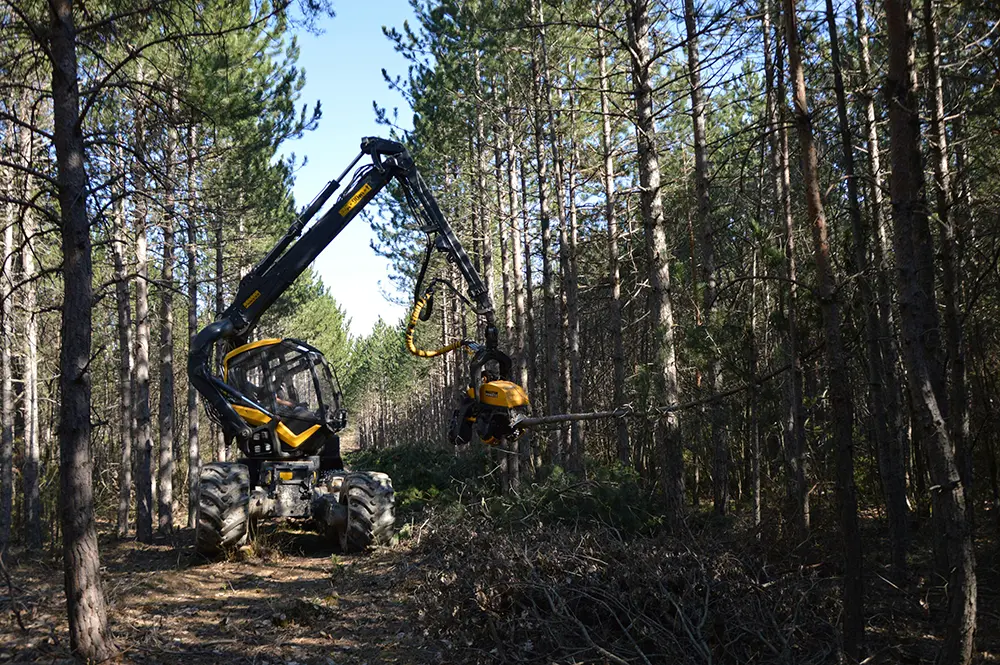
In many parts of Australia, particularly in bushfire-prone regions, vegetation management is needed for survival. Dense, unmanaged canopies can act as fuel in extreme heat, turning an ember into a devastating blaze. Strategic removal of certain trees reduces that risk and, at the same time, gives healthier vegetation the space and airflow it needs to thrive.
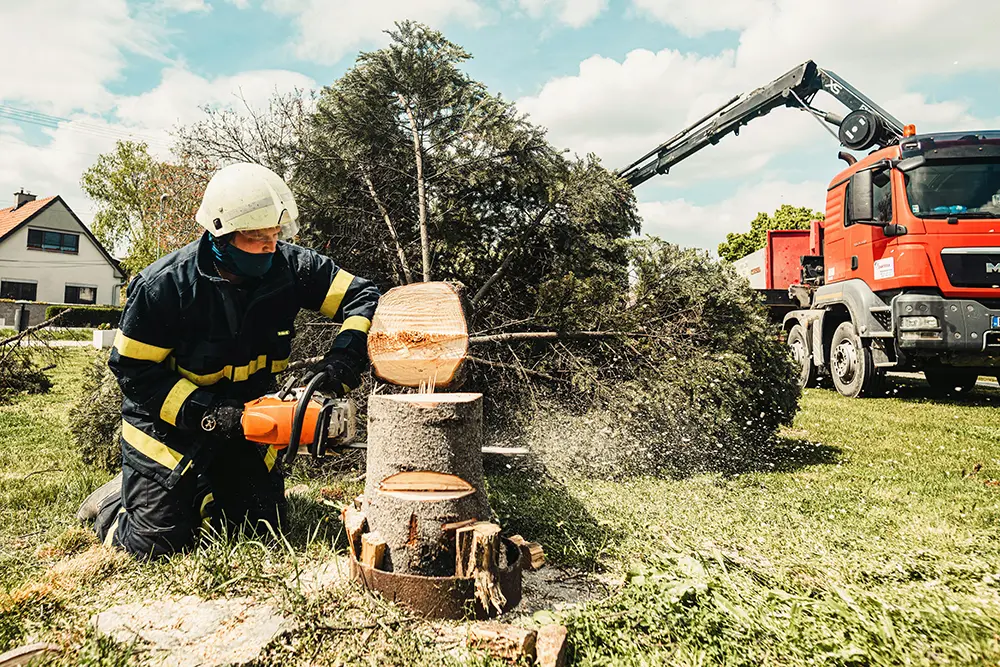
Tree removal, when carried out by trained professionals, is not about taking a chainsaw to anything green. Arborists assess whether a tree can be treated, trimmed, or retained before recommending removal. This kind of expert judgement balances the value of mature trees with the equally important need for safety and ecological balance.
Planting for the Future
One of the overlooked upsides of tree removal is the opportunity it creates to reimagine a landscape. Clearing out an invasive pine, for instance, might allow for the planting of native wattles, bottlebrushes, or paperbarks, species that not only belong to the local ecosystem but also provide food and shelter for birds, pollinators, and small mammals.
Sometimes, removing a single dying tree gives an understory the chance to flourish, letting sunlight and nutrients reach ground-level plants that were previously smothered. Besides, a well-placed, healthy native can often do far more for soil stability, carbon storage, and biodiversity than a cluster of unsuitable or struggling trees.
Why You Need a Tree Removal Expert
Tree removal is never as simple as it looks. Done poorly, it can damage surrounding plants, compact soil, or even accelerate erosion. That is why the process should always be left to certified professionals. Beyond safe cutting and removal, skilled arborists bring knowledge of local regulations, ecological principles, and best practices for long-term care.
Many also provide follow-up services like stump grinding, mulching, or guidance on replanting. In this way, tree removal becomes part of a broader cycle of land care, protecting people and property while setting the stage for regeneration.
Takeaways
The notion that every tree must be preserved is appealing, but not always practical. In reality, caring for the environment sometimes means making tough decisions. Removing a hazardous or invasive tree does not signify a disregard for nature but is a way of giving the landscape a better shot at resilience.
When guided by expertise and ecological awareness, tree removal can be a forward-looking act, one that safeguards biodiversity, mitigates risks, and lays the groundwork for healthier, more sustainable green spaces.