

The best pet robot vacuum is not simply the model that picks up the most fur in an empty test room. Pets move bowls, scatter toys, kick litter into corners, and occasionally leave a mess no robot should touch. Some ignore the machine; others bark, stalk it, or hide when the motor starts.
That makes this a household-fit decision. Suction and brush design matter, but so do noise, maps, no-go zones, and the owner’s willingness to clear the floor. Searches for the best robot vacuum for pets often end in a list of expensive flagships. A better starting point is the animal already living in the home.
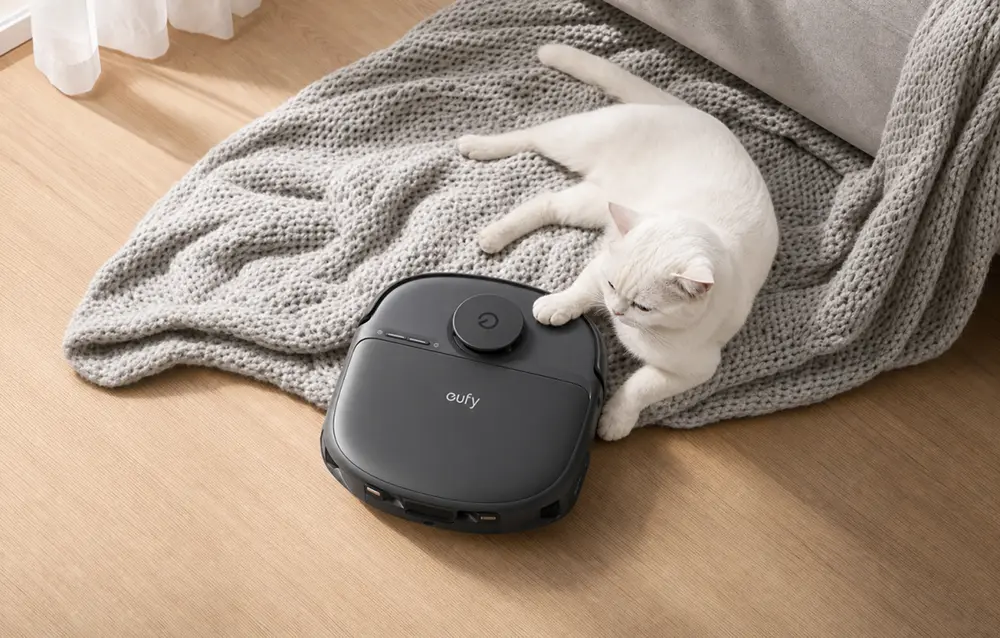
Match a Pet Robot Vacuum to Your Household
The same robot can face very different jobs in different pet homes. Separate the decision into two parts: choose the hardware for the amount of hair on the floor, then shape the route around the places and routines the animals rely on.
Let Shedding Set the Hardware Priorities
- One short-haired cat on mostly hard floors: Dependable pickup and an accessible filter may matter more than elaborate obstacle recognition.
- Several dogs or long coats: Check how easily the brush comes out, whether hair gathers around the end caps, and whether the robot can empty at its dock before resuming.
- Heavy seasonal shedding: Favor straightforward brush access and enough collection capacity to finish the route without repeated stops.
The American Kennel Club notes that shedding levels vary by breed, coat type, and season, so the amount of fur a robot must handle can change throughout the year. Brush access and bin capacity therefore matter alongside suction: a high suction figure cannot compensate for a jammed brush or a bin that fills before the route is complete. [Source: American Kennel Club, Dog Shedding: What to Expect and How to Manage It]
Before comparing robot vacuums for pet hair, name the recurring bottleneck: wrapped hair, a full bin, weak carpet pickup, or frequent filter cleaning. That answer is more useful than choosing by suction alone.
Hair determines how hard the robot works. Pet-care zones and temperament determine where and when it should work.
Build the Route Around Pet Habits
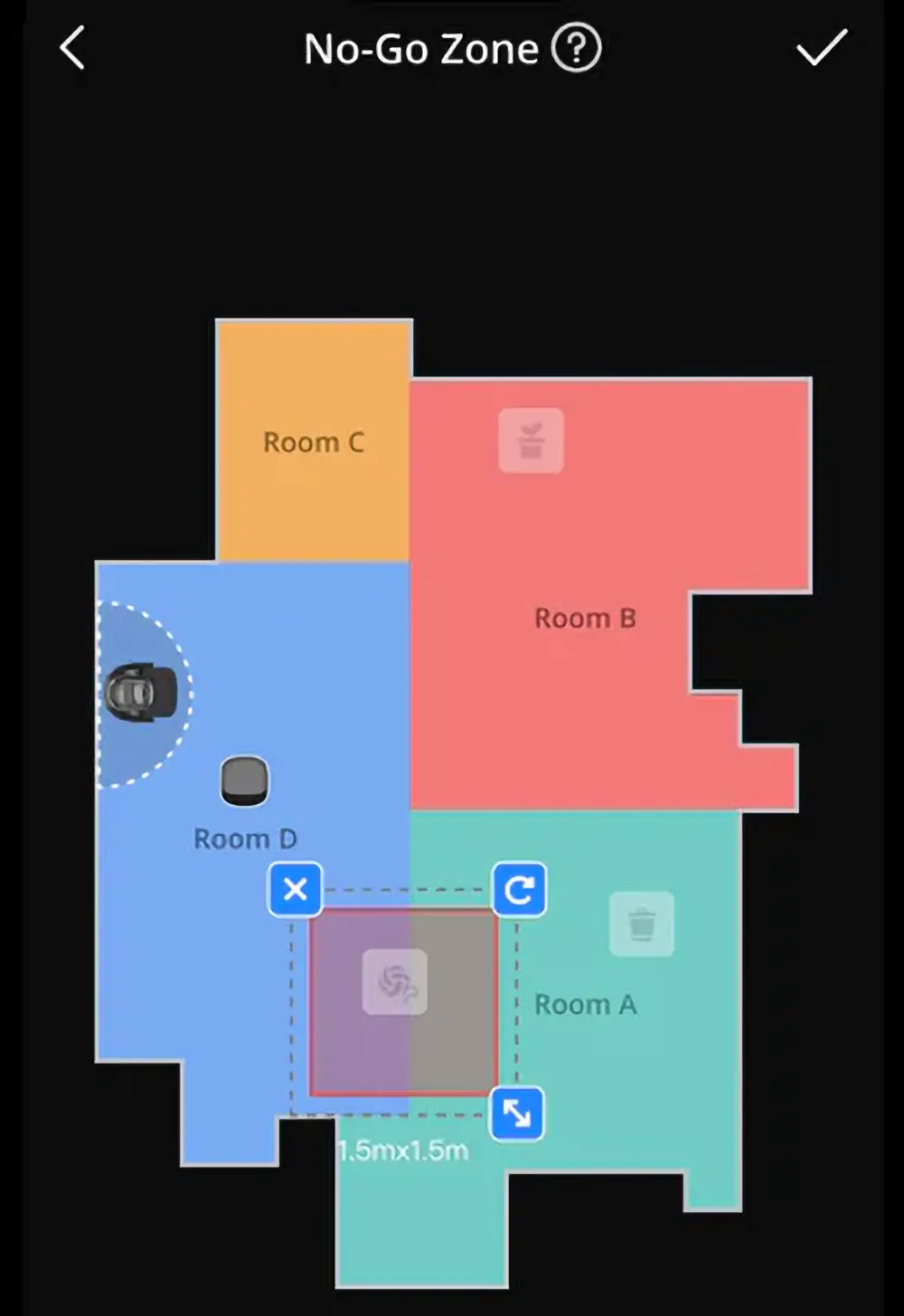
Around a litter box, a no-go zone may matter more than h2er suction. Lightweight litter spreads beyond the mat, while damp pieces can cling to wheels or a mop. Begin with a boundary wider than the visible litter area, then narrow it only after several supervised runs.
Keep the dock and routine cleaning path away from beds, crates, bowls, and puppy pads. Pets can move toys or bowls back into the route, so scan the floor before an unattended run.
Temperament should shape the schedule. A confident dog may sleep through routine vacuuming, while a cautious cat may leave when the motor starts. The dock’s short emptying burst can also be more disruptive than the steady cleaning hum, so a single published decibel number does not tell the whole story.
Introduce the robot while it is parked, then try a short run with the pet free to leave. If the animal cannot settle, change the dock location or adjust the cleaning window. Run the kitchen during a walk, clean bedrooms while pets are downstairs, or split a large map into shorter sessions. Good timing can matter more than another step up in suction.
Treat Obstacle Avoidance as Backup, Not Permission
Hardware cannot compensate for a careless route. Maps and schedules must reflect a home where toys move, bowls spill, and pets choose their own resting places.
Pet toys are not standardized objects. A camera may recognize a sneaker and still miss a thin chew, a dark sock on a dark rug, or a toy partly hidden under a chair. Good obstacle avoidance may reduce collisions, but floor preparation still matters.
Pet waste deserves more caution. Computer vision may notice familiar shapes under favorable lighting, yet no model offers a responsible 100% guarantee against running through an accident. Size, color, angle, low light, and rug texture can change what the camera sees. Do not treat marketing language as permission for an unsupervised first run.
Before turning on an unattended schedule, give the map a short trial period:
- Run each room once in daylight and again under its usual evening light.
- Pick up cords, soft toys, and thin chews that sit below the camera’s view.
- Mark litter boxes, feeding stations, puppy pads, and accident-prone rooms as no-go areas.
The goal is not a perfectly empty floor. It is a route whose remaining risks are known. A short walk-through still beats cleaning a contaminated brush and several feet of flooring.
Choose Vacuum-Only or Vacuum-Mop by Where the Mess Lands
Floor mix should settle the basic choice. Hard floors with short fur often show paw film after dry debris is collected, which gives mopping a clear job. In carpet-heavy homes with long-haired pets, airflow, brush access, and consistent carpet pickup usually deserve more of the budget than wet-cleaning hardware.
Pet-care zones complicate wet cleaning. A mop should not cross loose litter, spilled kibble, or pooled water, so exclude those areas and remove solid debris first. On mixed floors, compare the stated mop lift with the actual rug pile. Deep rugs may still require a no-mop zone.
Vacuum-only models remain practical for carpet-heavy homes and owners who already mop manually. There is less wet hardware to rinse, and the budget can stay focused on brush design and bin capacity. Hard-floor homes with short fur and frequent paw marks have a stronger case for robot vacuum and mop options, provided the wet route can avoid feeding and litter areas.
Decide How Much Automation Is Worth Paying For
Automation is valuable when it removes a recurring task. Judge dock features and price against the fur, dust, and floor washing the home actually produces.
Use Self-Emptying to Reduce Contact, Not Maintenance
During shedding season, a small onboard bin may fill before the floor is finished.
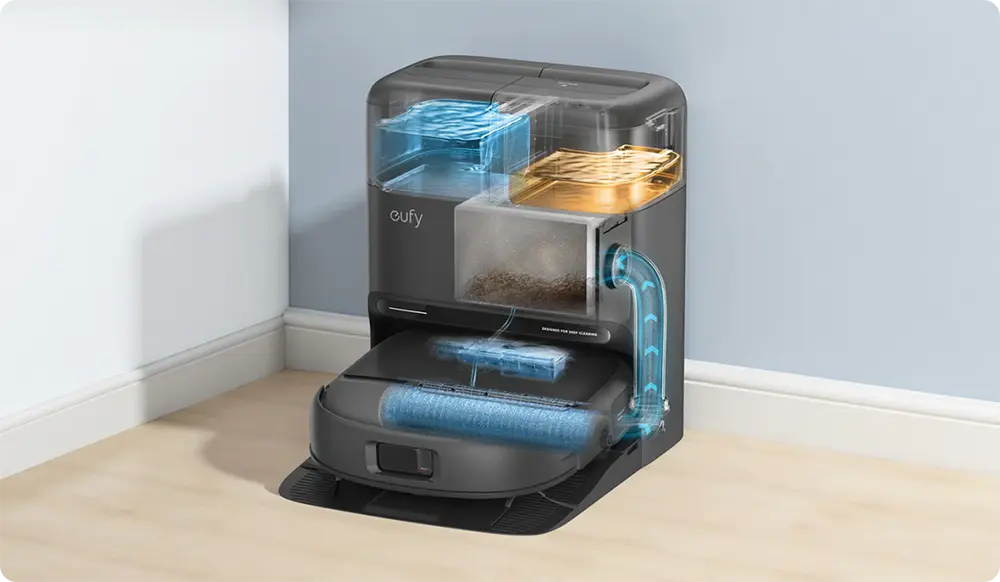
A self-emptying station moves debris into a larger bag or container between runs, reducing direct contact with dusty fur without eliminating maintenance. Bag life varies by household and may shorten during heavy shedding, so track how quickly the first bag or container fills to set a realistic service interval.
Brushes, wheels, filters, sensors, and mop parts still need regular inspection. For allergy-sensitive owners, remove a full bag slowly and seal it as directed to limit loose dust.
Spend on the Daily Bottleneck, Not a Flagship Label
Entry models under $200 can make sense for open hard floors, light shedding, and owners willing to empty the bin and clear the route themselves. The compromise often shows up in obstacle recognition, mapping controls, brush design, or the lack of a self-emptying dock. That may be acceptable in a calm one-cat apartment. It is a harder trade in a busy home with several animals.
For many multi-pet households, the $500 to $800 range is a more realistic middle band. It is where buyers can look for stronger navigation, anti-tangle brush designs, useful app zones, and a station without automatically paying for every flagship feature. A higher price can buy better hardware, but it cannot make pet waste detection certain.
Put money toward the failure that happens most often. Wrapped hair points to the brush. A full bin points to the dock. Litter near the box points to mapping and no-go controls. A nervous pet points to scheduling and tolerable sound. The specification that solves a daily annoyance is worth more than a premium feature used twice.
That framework makes a specific model easier to judge. In a multi-pet home where loose fur and hard-floor paw marks arrive in the same week, the eufy Robot Vacuum Omni C28 is one mid-range option to compare. Its 15,000 Pa suction may help with fur and everyday debris, while its DuoSpiral™ Detangle Brush is designed to help reduce hair tangles and clogs. Coat length, carpet pile, and inspection frequency will still affect the result.
The 5-in-1 Omni Station combines automated dust emptying with mop washing, water refilling, hot-air drying, and wastewater collection. It suits a home that will use both vacuuming and wet cleaning.
Conclusion
The right pet robot vacuum should fit the home’s shedding load, floor mix, and pet routines before it impresses on a specification sheet. Choose brush access and bin capacity for the amount of hair, decide whether mopping makes sense for the surfaces and pet-care zones, and use no-go zones to protect litter boxes, feeding areas, and other sensitive spaces. Obstacle avoidance helps, but it is not a guarantee. A good robot should take some of the daily floor cleanup off your plate, not become another machine you have to babysit.