

Selling a property requires more than setting an asking price and publishing a listing. Buyers assess its condition, layout, location, maintenance history, and potential resale value. A home that looks well cared for can attract more interest and help buyers feel confident about arranging a viewing or making an offer.
Preparing a property for sale does not always require expensive renovations. Targeted repairs, effective staging, and accurate marketing can improve its presentation while keeping costs under control. The key is to focus on changes that matter to buyers in the local market.
Improve Curb Appeal Before Listing
The exterior is often the first part of a property buyers see in listing photographs and during viewings. Overgrown landscaping, peeling paint, dirty windows, and damaged pathways can make a home appear neglected before buyers have seen the interior.
Start with basic maintenance. Mow the lawn, trim shrubs, remove weeds, clean the entrance, and repair visible damage to fences or gates. If the front door has chipped paint, consider refreshing it. Replace broken exterior lights and make sure the house number is easy to read.
These improvements help present the property as maintained and ready for inspection. They also make listing photographs more effective, particularly when buyers are comparing several homes in the same area.
Use Lighting and Photography to Attract Interest
Good lighting helps rooms appear more welcoming in person and online. Clean windows, open curtains, and replace failed bulbs before photographing the property. Use consistent lighting where possible, especially in rooms with multiple fixtures.
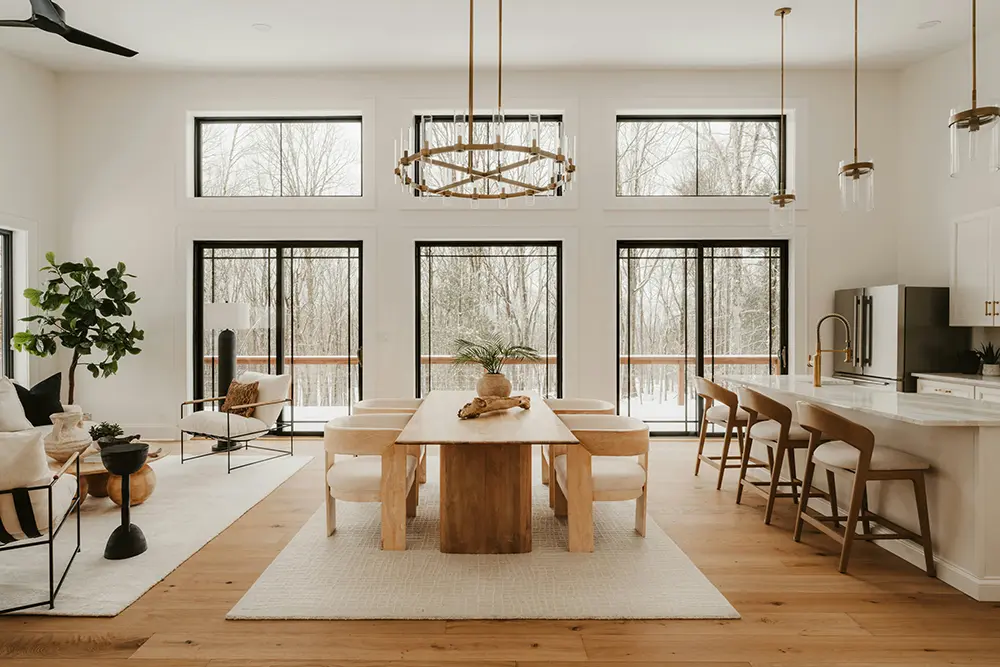
Neutral paint colors can help buyers imagine their own furniture in the space. Small decorative touches can add warmth, but avoid styling every surface. The objective is to show the property’s proportions, condition, and practical features clearly.
Listing photographs should be bright, accurate, and representative of the actual home. Photograph the main rooms, exterior, garden, and any distinctive features. Avoid misleading angles or editing that hides defects. Buyers who arrive expecting something different may lose confidence before making an offer.
Present Lifestyle Features Without Overdoing Them
A property’s appeal also depends on how easily buyers can imagine living there. Outdoor seating, a practical home office, or a comfortable entertainment area can help communicate how the available space might be used.
For a dedicated media room or a compact entertainment corner, balanced accent lighting can add character. A custom neon Netflix sign may suit this type of space. However, keep permanent decorative choices limited when preparing a home for sale. A neutral presentation usually makes it easier for different buyers to picture their own preferences.

Make Rooms Easier for Buyers to Visualize
Buyers need to understand how they could use each room. Excess furniture, personal collections, and crowded storage areas can make a property feel smaller than its actual dimensions.
Remove unnecessary items and arrange the remaining furniture to create clear walking routes. Keep kitchen counters relatively empty, organize wardrobes, and remove clutter from hallways. In bedrooms, use simple bedding and clear bedside tables. Bathrooms should be clean, dry, and free of strong odors.
Staging should emphasize the property’s strongest features. A dining area should show enough room for a table and chairs. A spare bedroom can demonstrate its potential as a guest room or home office. In living rooms, arrange seating to show how the space supports conversation and everyday use.
Set a Realistic Asking Price
Presentation can help generate interest, but pricing remains central to a successful property sale. Research comparable properties in the same area, paying attention to recent sale prices, property size, condition, and features. Asking prices alone do not show what buyers have actually paid.
A local real estate professional can help assess the property’s market position and identify improvements that may influence buyer demand. Compare the expected cost of each upgrade with its likely benefit. Replacing a damaged fixture may be worthwhile, while a major kitchen renovation may not be justified if the local market will not support the additional expense.
If you need to sell quickly, review the available selling routes before committing to costly work. Homeowners in Florida can explore property-selling options to learn more about alternatives for selling a house in the Jacksonville area.
Complete Repairs That Could Affect a Sale
Buyers may interpret visible defects as signs of larger maintenance problems. A dripping tap, cracked tile, loose handrail, or faulty door might seem minor, but several unresolved issues can weaken confidence in the property.
Before listing, inspect each room and prepare a repair checklist. Prioritize:
- Plumbing leaks, damaged seals, and water stains.
- Faulty switches, broken fixtures, and poor lighting.
- Cracked tiles, damaged flooring, and peeling paint.
- Doors, windows, locks, and other fittings that do not work properly.
- Signs of dampness, roof leaks, or structural movement that need professional assessment.
Do not cover up defects simply to improve appearance. Investigate their cause and retain records of completed repairs. Where local regulations require disclosure, provide accurate information about known issues and relevant repair history.
Prepare for Viewings and Buyer Inspections
Once the listing is live, keep the property ready for appointments. Remove rubbish, ventilate rooms, secure pets, and make sure buyers can access important areas. Gather available documents relating to warranties, renovations, permits, and maintenance.
The U.S. Department of Housing and Urban Development offers guidance on the home-selling process, including how properties are marketed and sold. Although its page focuses on HUD-owned homes, it provides useful context about the role of property listings and real estate professionals.
A successful sale depends on more than appearance alone. A well-maintained property, realistic price, accurate listing, and clear information can help buyers evaluate the home and make informed decisions. By addressing repairs and presentation before listing, sellers can improve the property’s appeal without spending unnecessarily.