

If you spend your weekends poring over interior design blogs and dreaming up your next backyard makeover, chances are your outdoor space matters to you as much as your living room. A beautifully designed patio, a lush container garden, or a thoughtfully landscaped yard is an extension of the home you have worked so hard to style. But all that curated greenery attracts uninvited guests, and few are as misunderstood as the humble snail. Before you assume every shelled visitor is out to destroy your carefully chosen plantings, it is worth separating fact from folklore.
Homeowners often reach for the harshest chemical solution the moment they spot a trail of slime across the patio stones, but that reaction is usually based on incomplete information. Understanding which snails cause real damage and which ones are quietly helping your soil can change how you approach yard maintenance entirely. For a practical rundown of options once you have identified an actual problem, this guide on 10 easy and effective ways to get rid of snails in your yard offers straightforward, low-risk methods that will not undo your landscaping efforts. First, though, let’s tackle the myths that keep well-meaning gardeners from making smart decisions.
Myth #1: All Snails Are Garden Pests, The Truth About Their Dual Role
The idea that every snail on your property is plotting to eat your prized hostas is one of the most persistent misconceptions in home gardening. It is easy to see why this belief took hold. A single brown garden snail can cause visible chewing damage on tender leaves overnight, and in citrus orchards, snail feeding has been documented to affect anywhere from 40 to 90 percent of fruit, according to research from UC IPM. That kind of damage understandably leaves a lasting impression on anyone who has lost a season’s worth of lettuce.
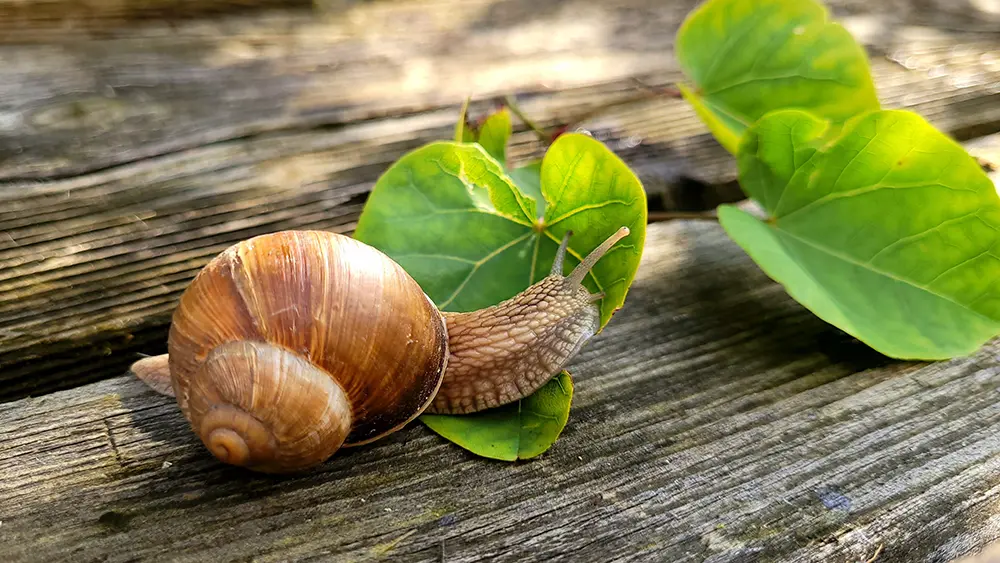
What most people do not realize is that snails make up roughly 80 percent of all mollusk species, and the vast majority are not agricultural threats at all. Many species play a quiet but valuable role in breaking down organic material, aerating soil, and even keeping invasive plant populations in check. Some studies have found that selective snail herbivory can reduce invasive plant species by up to 25 percent in certain garden ecosystems. Treating every snail as an enemy means potentially eliminating allies that are doing beneficial work beneath the surface.
Myth #2: Snails Only Eat Living Plants, Why Decomposition Matters
Another widespread assumption is that snails exclusively target fresh, living foliage, which is why so many gardeners panic at the first sign of a snail near their flower beds. In reality, a large portion of a snail’s diet consists of decaying plant matter, fungi, and organic debris scattered across the yard. This detritus-feeding behavior is a critical part of natural decomposition, helping break down fallen leaves and dead plant material into nutrients that enrich the soil over time.
Snails also contribute to soil health in a more literal, physical sense. As they move through moist ground, many species burrow between 5 and 10 centimeters deep, creating tiny channels that improve water infiltration and aeration. This kind of natural tilling happens without any effort on your part, and it is one of the quieter benefits of tolerating a modest snail population rather than eliminating it entirely. The key is recognizing the difference between snails snacking on mulch and compost versus a population actively stripping your vegetable garden, since those two scenarios call for very different responses.
Myth #3: Chemical Baits Are Your Only Solution, Evidence-Based Management Methods
When damage does become a real problem, many homeowners assume that store-bought chemical pellets are the only effective fix. This belief is understandable given how heavily those products are marketed, but it overlooks a wide range of cultural and physical strategies that are just as effective and considerably gentler on the surrounding ecosystem. Integrated pest management combines multiple low-impact tactics, such as adjusting watering schedules, removing hiding spots like dense mulch or debris piles, and introducing natural predators, rather than relying on a single chemical intervention.
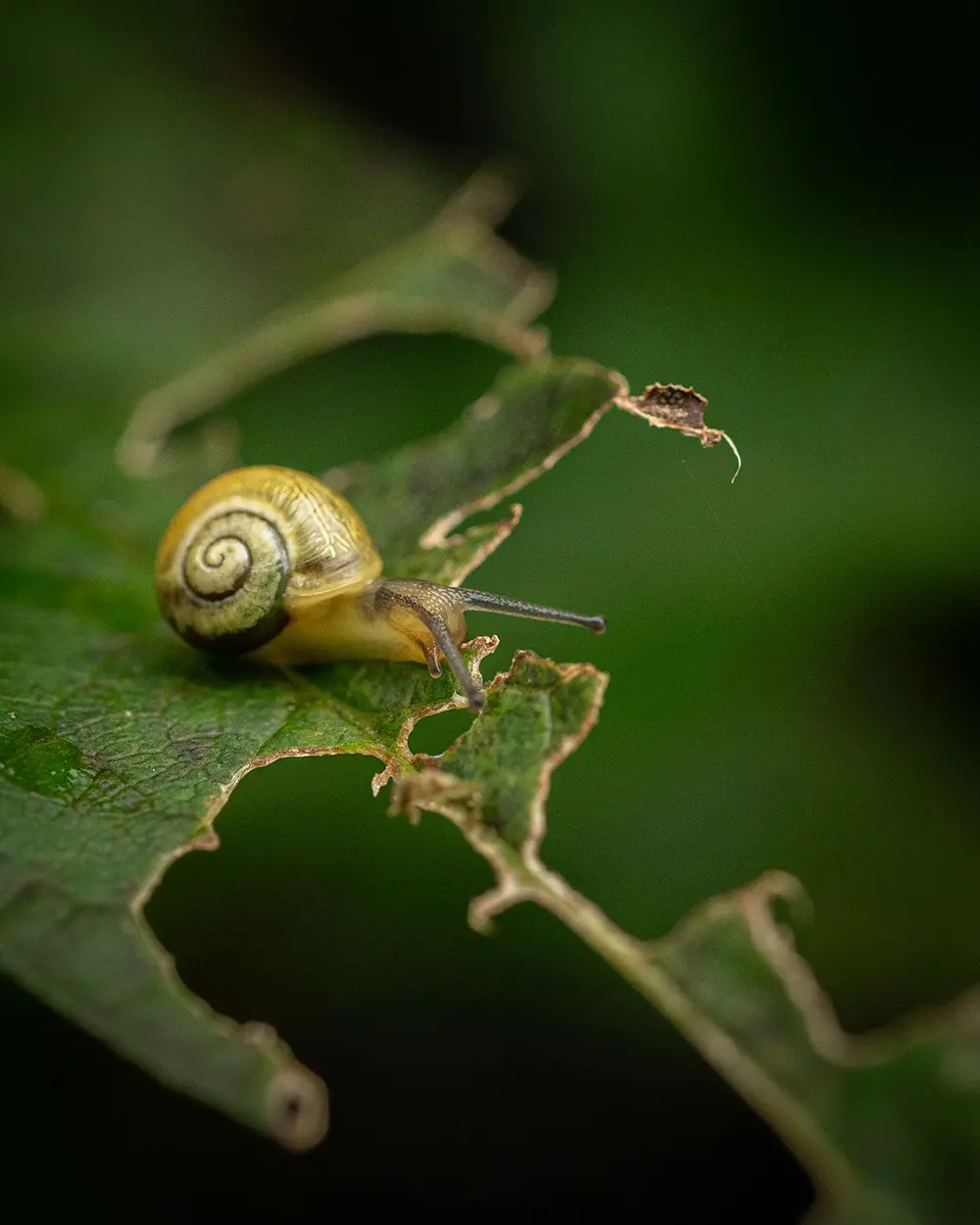
According to this article, snails and slugs are most active at night or during cloudy, foggy weather because they depend on moist conditions to survive, and since every individual has the capacity to mate and lay eggs, populations can grow rapidly when conditions favor them. This is precisely why timing matters so much in management. Reducing excess moisture, watering earlier in the day rather than in the evening, and monitoring activity after rainfall can meaningfully cut down on snail pressure without a single chemical application.
| Statistic | Figure |
| Fruit damage in citrus orchards from brown garden snails | 40 to 90 percent of fruit affected |
| Snail composition of mollusk class | Approximately 80 percent of all mollusks |
| Invasive terrestrial mollusk species in South Africa | 34 non-native species present, 28 established |
| Snail burrowing depth for soil aeration | 5 to 10 centimeters deep |
| Garden biodiversity improvement through selective snail herbivory | Up to 25 percent reduction in invasive plants |
10 Easy and Effective Ways to Get Rid of Snails in Your Yard
Once you have confirmed that a snail population is genuinely harming your plants rather than simply coexisting with your landscaping, practical action becomes worthwhile. Effective approaches include handpicking snails during early morning or evening hours, setting out shallow beer traps, applying diatomaceous earth around vulnerable plants, and encouraging natural predators like birds and certain beetles into your yard. Copper tape barriers, reducing overwatering, clearing away debris piles, using iron phosphate baits as a pet-safe alternative to metaldehyde, spacing plants to improve airflow, and rotating crops in vegetable beds round out a well-balanced management plan.
None of these methods require aggressive chemical treatments, and most fit naturally into routines that thoughtful homeowners are already following in other parts of their outdoor spaces. The goal is not to eradicate every snail from your property, since that would be both unrealistic and counterproductive given the ecological benefits some species provide. Instead, aim for balance, protecting the plants you have invested time and money into while allowing the broader garden ecosystem to keep functioning the way nature intended.