

A new window replacement project usually starts with a quote. And let’s face it, sorting through all the prices, window styles, materials, and energy-efficient upgrades can be quite overwhelming.
Window prices can swing widely, from about $500 for standard options to over $2,000 for custom triple-pane designs. In this practical guide, we’ll discuss how much does it cost to add a window, the best ways to save money, and what a fair quote looks like.
What Affects Window Pricing in Canada?
No two window projects are priced alike. Here’s a look at key factors that shape the cost of your quote:
1. Window Style
The window type is probably one of the major factors when estimating the cost of a new window. Here’s a quick overview of the most common styles and approximate prices:
| Style | Description | Prices |
| Casement | Side hinges, opens like a door. Superior ventilation, great choice for kitchens and bathrooms. | $800+
|
| Awning | Top hinge, opens outward. Allows ventilation even during rain; a go-to solution for basements. | $700+ |
| Fixed (Picture) | Permanently sealed; maximum light and soundproofing. Great for living rooms and large feature walls. | Around $800–$1200 |
| Slider | Move horizontally on tracks, which makes them pretty compact. Good choice for smaller places. | About $800-$1300 |
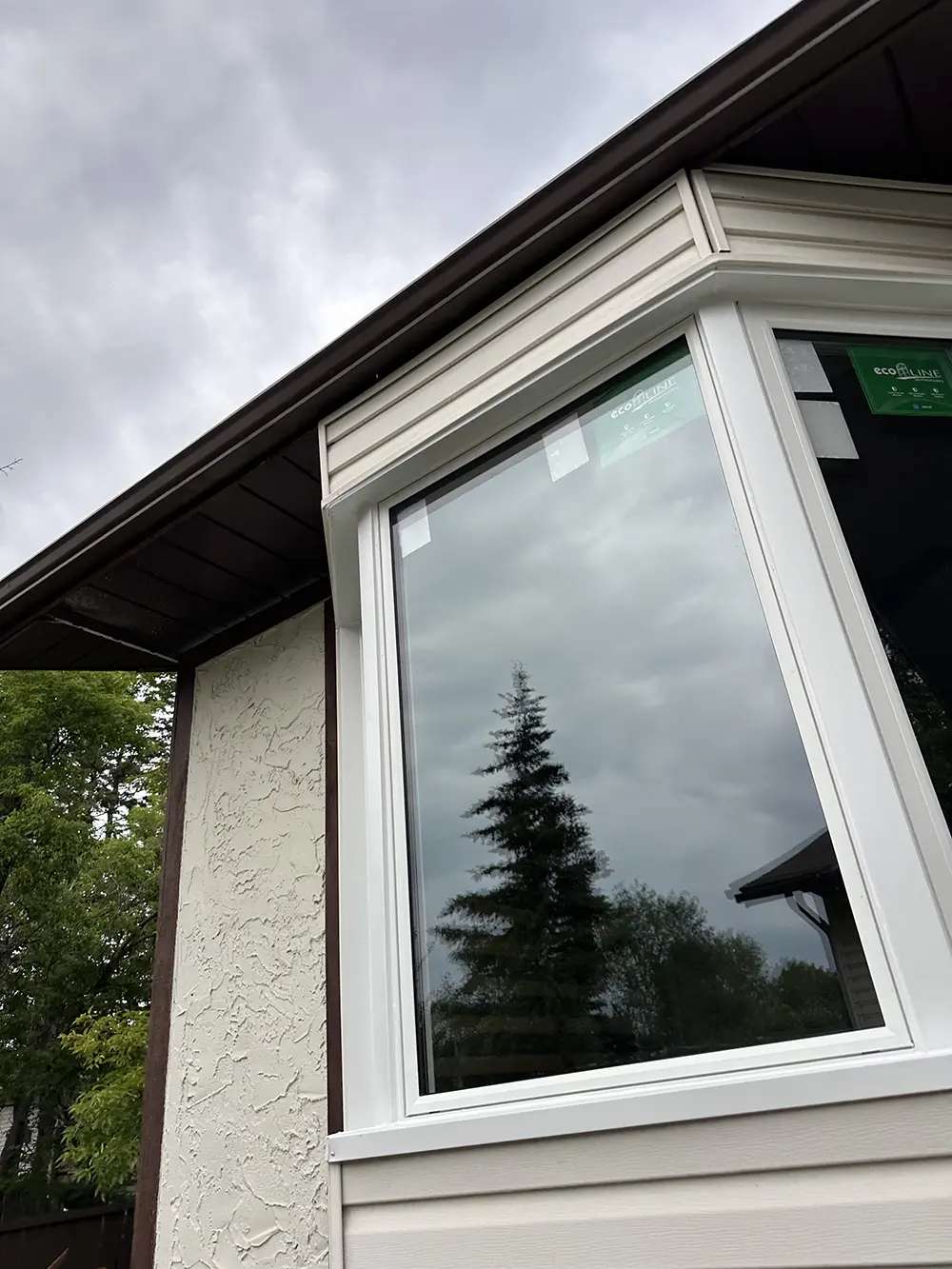
| Bay | Three-dimensional, three-pane design, which extends outward in an angled shape. Large, allow more light, and are more expensive. | $1,600-2,000
|
| Single-hung | Fixed top sash, movable bottom sash. Great choice for more secure bottom-floor installations. | $800+ |
| Double-hung | Both sashes are movable and slide vertically. Often in bedrooms and living rooms. | $1000-$1200 |
Larger or custom windows with additional ironmongery and advanced features will hike the price up even further.
2. Frame Material
Another major factor is the frame material. Here are the most common frames you’ll encounter:
- Vinyl ($800-$1,200). The most common variety. Durable, affordable, and low-maintenance (resists moisture and rot like a champ). May warp in extreme heat and is less visually appealing.
- Aluminum ($900-$1,400). Strong, lightweight, and resistant to warping. Slightly less insulating and can be prone to corrosion.
- Wood ($1000-$1,500). Aesthetically pleasant with excellent insulation. Requires regular maintenance (painting, sealing to prevent rot).
- Fibreglass ($900-$1,400). Super durable, low maintenance, and won’t warp. A long-lasting investment, though not budget-friendly.
- Composite ($800-$1,500). A blend of wood and synthetic materials. Offers better durability, low maintenance, and solid energy efficiency. A better option than a fully wooden frame.
3. Glass Technology
Natural Resources Canada states that windows account for up to 35% of a home’s total heat loss, and glass choice also makes up a large chunk of the window’s price.
- Double-Pane. Two layers of glass with a layer of gas or air. Improved energy efficiency and soundproofing.
- Triple-Pane. Three layers of glass with two layers of gas or air. Advanced energy efficiency and soundproofing.
- Two layers of glass bonded with a tough plastic (PVB) interlayer. Blocks up to 95% of external noise and holds shards together if broken.
- Low-E. A microscopic metallic coating that reflects infrared heat and boosts energy efficiency.
- Safety glass is required for large panels and windows near doors.
4. Energy Efficiency and Soundproofing Upgrades
According to Natural Resources Canada’s Energy Efficiency Recommendations for Windows, Doors, and Skylights, replacing all old windows can reduce your total energy bill by up to 7%. If you don’t want to dig into all the technical details, just look for the ENERGY STAR label. It’s a shortcut and a guarantee that the window meets government-backed energy performance standards.
Pay special attention to the STC (Sound Transmission Class) rating if you live in a noisy neighbourhood. Standard double-pane windows are around STC 26, triple-pane windows can reach up to STC 45, and dedicated soundproof windows can hit a whopping STC 55. Expect to add a few hundred dollars for these upgrades.
5. Other Factors
There are a few additional factors affecting how much does it cost to add a window.
- Retrofit vs. Full-Frame Installation. Retrofitting swaps an old window for a new one. Full-frame installation replaces sills and framing, adding to labour and material costs.
- Size and Shape. Larger and custom windows cost more, since they require extra labour and custom manufacturing.
- Price of Labour. The labour price depends on your region, the company, and the overall project complexity.
- Handles, locks, and hinges add to the final bill.
Before greenlighting the order, make sure you’re dealing with a licensed and insured company that provides on-site measurement. Check if they offer a warranty: reliable companies can offer up to 10 years on hardware and up to 20 years on glass.
Red Flags to Watch Out For
Choosing a window company takes time. When browsing for your future contractor, here are a few things to be cautious about:
- Delayed or Unprofessional Quotes. A quote should be printed or sent digitally, be detailed, and include all costs upfront. If it takes days or weeks to get it, look elsewhere. Other red flags include vague warranties, no ENERGY STAR, or refusal to provide proof of insurance.
- Suspiciously Low Prices. A price far below that of competitors should raise alarm bells. It usually means shortcuts in quality, experience, or future service.
- Long Installations. If it takes several days to install a single window, that’s a red flag.
If the company pressures you to approve the project with unrealistic “limited-time” discounts or dramatically changes the price without explanation, it’s better to find another contractor.
Saving Money
Window prices can be biting, so always compare at least three quotes from reputable local contractors. This will allow you to find the most budget-friendly option. Scheduling installation off-season is another way to save, and ordering in bundles typically earns you a volume discount.
Also, check whether you qualify for rebates or government loans. The Canada Greener Homes Initiative finances everything from solar panels to energy-efficient windows. Provincial programs, such as Éconologis in Quebec, can also help you save. Check out your local available programs to offset the initial window replacement cost.