

Flat and green roofs have become staples of modern architecture. They reflect a clean, minimal aesthetic and often double as usable outdoor space. These roof designs are functional and visually striking, from rooftop gardens to sleek urban terraces.
But behind the clean lines and elegant surfaces, there are technical challenges most homeowners and even designers don’t expect. When it comes to performance, a beautiful design isn’t enough. These types of roofs require precise engineering, expert installation, and long-term maintenance strategies.
Experts in roof leak repair NJ say the most complex calls often come from homes and commercial buildings with flat or green roofs. Why? Because what looks seamless on the surface can hide serious issues—especially when water, temperature shifts, or vegetation are involved. Without careful planning, these systems are more vulnerable to drainage problems, leaks, and accelerated wear.
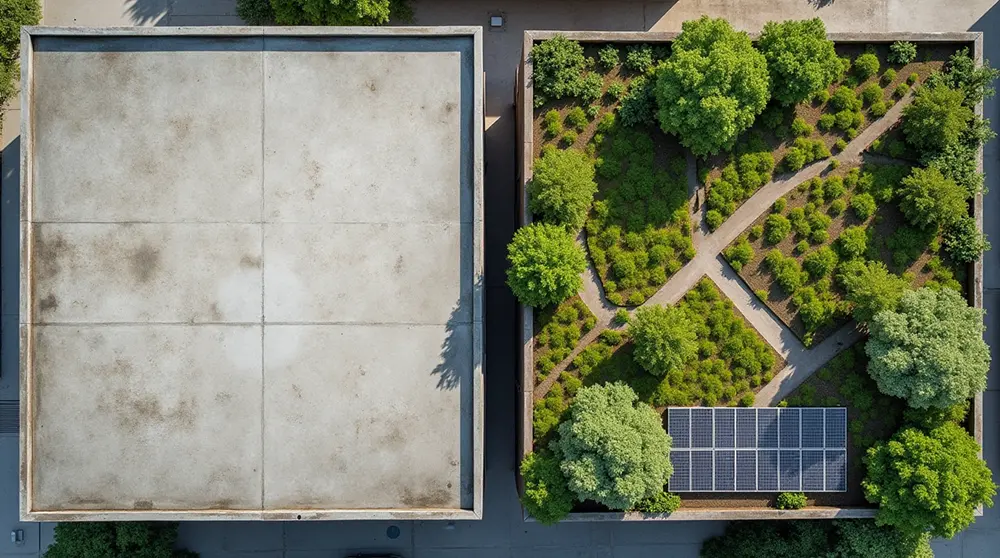
The Architectural Appeal of Contemporary Roof Designs
Flat roofs have become synonymous with contemporary style. Their geometric simplicity complements minimalist architecture and allows for bold, clean façades. Plus, they open up design opportunities like solar panels, rooftop lounges, and even green space in urban areas.
Minimalism drives much of this trend. Architects respond with horizontal lines and integrated surfaces as clients seek open, uncluttered forms. Flat and green roofs meet those demands beautifully—when done right.
The challenge is balance. A roof must perform under stress—heat, cold, wind, moisture—while still maintaining its form and finish. That’s where the real design work begins: merging aesthetics with weather resistance, drainage systems, and structural support.
Flat Roofs
Structural Considerations Beyond Appearance
A flat roof isn’t truly flat. It needs subtle pitch for water drainage, plus a carefully engineered support structure to manage loads. Unlike sloped roofs, flat surfaces collect snow, debris, and standing water—all of which require stronger framing and more durable materials.
Modern flat roofs often use layered systems: rigid insulation, waterproof membranes, and protective surfacing. These layers must work together, absorbing expansion and contraction while resisting moisture infiltration.
Crucial stress points—like parapet joints, HVAC penetrations, and skylight edges—require reinforced detailing. If these areas are overlooked, they become the first to fail.
Water Management Challenges
Drainage is one of the biggest design challenges with flat roofs. Water doesn’t naturally run off the way it does on pitched surfaces. Instead, it needs to be directed by subtle slopes toward internal drains or scuppers.
Poorly designed drainage can lead to ponding—standing water that breaks down membranes and adds weight to the structure. Solutions include tapered insulation systems, high-capacity outlets, and secondary overflow drainage.
Parapets must also be carefully designed. While adding visual appeal and safety, they can create water traps without proper flashing and sloping.
Weather Resistance and Durability
Flat roofs must stand up to serious environmental stress. In hot climates, intense UV exposure can degrade coatings and membranes. In colder regions, freeze-thaw cycles stress joints and corners. And anywhere, wind uplift is a concern—especially on taller buildings.
Membrane roofs like TPO or EPDM are common because they flex with temperature changes and resist UV damage. But even the best systems require regular inspection and maintenance, especially after storms or seasonal shifts.
Designers must select the right materials and plan for how they age, expand, and contract. A well-designed flat roof is durable—but only if it’s built with performance in mind from the start.
Green Roofs
Green roofs add a living, organic element to modern buildings. They offer visual softness, environmental benefits, and an undeniable wow-factor. But with that beauty comes a set of design and maintenance demands that many don’t anticipate.
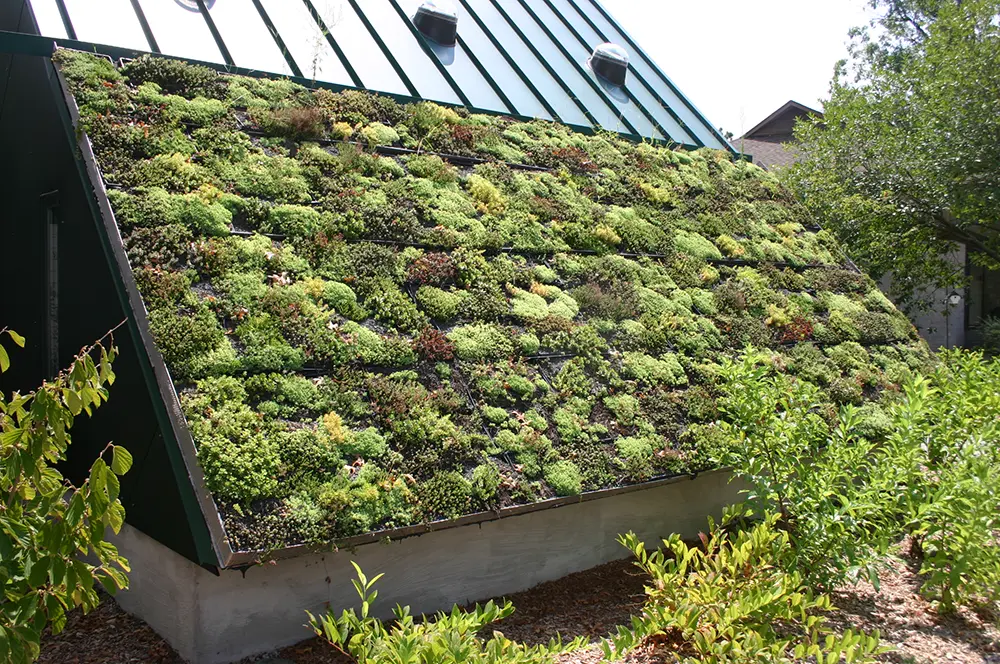
Engineering Requirements for Vegetation
A green roof isn’t just a layer of soil and plants. It’s a multi-layered system engineered to manage water, protect the structure, and support life. Typical components include a waterproof membrane, root barrier, drainage layer, filter fabric, growing medium, and vegetation.
One of the biggest engineering considerations is weight—especially when the soil is saturated with water. Structural loads must be calculated precisely and often require reinforcement or specific framing strategies to prevent sagging or failure over time.
Additionally, root systems need to be contained and guided. Aggressive plant growth can damage waterproofing layers and even penetrate the roof deck without a proper root barrier.
Microclimate and Biodiversity
Green roofs help reduce the heat island effect, insulate the building, and support biodiversity in urban settings. But the choice of plants isn’t just an aesthetic decision—it’s technical. Species must be compatible with the roof’s exposure, moisture retention, and maintenance level.
In cold regions, vegetation must survive freeze-thaw cycles. In hot zones, drought resistance is critical. Designers must think seasonally—what looks vibrant in May may be brown and dry in August.
When planned well, green roofs offer habitats for pollinators and birds. However, these systems must be designed with careful layering, irrigation access, and consistent monitoring to keep ecosystems healthy and the structure protected.
Maintenance Requirements Often Underestimated
Many owners assume green roofs are “install and forget.” They’re more like a landscape project than a traditional roof. Regular maintenance is essential—from weeding and pruning to irrigation checks and drainage inspections.
Drainage systems under green roofs can clog with debris or roots if not regularly cleared. Overflow or pooling water puts both the vegetation and the structure at risk. And neglected vegetation can become a fire hazard or lead to rapid deterioration of the waterproofing system.
Green roofs pay off environmentally and aesthetically—but only if maintenance is baked into the design from the beginning.
The Intersection of Design and Functionality in Leak Prevention
A stunning roof design means nothing if it leaks. That’s why smart designers treat waterproofing as a design priority, not an afterthought. Every joint, angle, and seam must serve both function and form.
Common Failure Points in Designer Roofs
Architectural flourishes often create vulnerable zones. Skylights, parapets, corner details, and integrated lighting all require extra attention. These elements disrupt the continuity of waterproofing layers and introduce more edges, overlaps, and expansion points.
Material compatibility is another overlooked issue. A roof that combines wood, glass, metal, and living plants must also manage how those materials expand, contract, and interact under stress. Without flexible, durable connections, failure is just a season or two away.
Advanced Materials Meeting Design Expectations
Thankfully, materials technology has advanced. High-performance membranes, vapor barriers, and liquid-applied coatings can now meet technical and visual standards. There are even waterproofing systems designed to be invisible once installed—ideal for clean-line, modern roofscapes.
Testing and certification matter, too. Materials should meet standards like ASTM or FM approvals for wind uplift, UV resistance, and thermal cycling. The right product, backed by proper application, protects both the structure and the design intent.
The Art and Science of Roof Leak Repair
Fixing a roof leak in a contemporary design isn’t just about stopping water—it’s about preserving the integrity of the entire aesthetic. Especially with flat and green roofs, leak repair is as much an art form as it is a technical task. It requires a balance between deep diagnostics, precision intervention, and visual sensitivity.
Modern roofing systems are layered and complex. Water doesn’t always enter where the damage appears. It travels—through insulation, under membranes, and along structural paths—before surfacing. This makes leak detection more nuanced than most people realize.
Experienced professionals approach these challenges like investigators. They study the structure, trace moisture paths, and identify the leak and its root cause. It’s a system-level diagnosis, not a patch job.
Specialized Techniques for Designer Roofs
Designer roofs use unique materials, textures, and construction methods, each of which can complicate standard repairs. For example, a roof with integrated lighting or custom glass features requires more than just sealing a joint. Repairs must blend into the original design without drawing the eye.
Specialists adapt their methods to the structure. In many cases, that means non-invasive solutions: localized patching with matching materials, using flexible membranes for subtle expansion points, or applying low-profile protective coatings that don’t alter the surface texture.
Even temporary fixes must respect the original design. On high-end projects, aesthetics aren’t optional—they’re part of the function.
Technological Innovations in Leak Detection
Technology has transformed how roof leaks are found and managed. Today’s experts use infrared thermography to detect temperature changes that indicate moisture inside the structure without opening up the roof.
Electronic leak detection systems can map membrane integrity down to the square inch. Drones and robotic inspection tools offer safe, detailed overviews of inaccessible surfaces, especially on tall or fragile structures.
Some contractors even use predictive modeling, layering weather data, building movement, and material aging patterns to identify vulnerable areas before leaks occur. This is where the “science” of modern roofing truly shines—data guiding design protection.