

The living room continues to evolve as the heart of the modern home, and 2026 brings a fresh wave of design innovations that blend functionality with aesthetic appeal. From sustainable materials to smart technology integration, homeowners are reimagining their spaces to reflect changing lifestyles and values. Understanding these emerging trends can help you create a living room that feels both current and timeless while maximizing comfort and style.
Sustainable and Natural Materials Take Center Stage
Environmental consciousness has moved from a niche concern to a mainstream priority in interior design. Research from the American Home Furnishings Alliance indicates that 73 percent of consumers now consider sustainability when making furniture purchases, a significant increase from 58 percent just two years ago. This shift is dramatically reshaping living room aesthetics for 2026.
Reclaimed wood, bamboo, and cork are experiencing unprecedented popularity as primary materials for furniture and accent pieces. These materials offer distinct textures and visual warmth while reducing environmental impact. Homeowners are particularly drawn to pieces with visible grain patterns and natural imperfections that tell a story of origin and craftsmanship.
The textile industry is responding with organic fabrics, recycled fibers, and plant-based alternatives to traditional upholstery materials. Mushroom leather and hemp-blend fabrics are emerging as viable options for those seeking both durability and environmental responsibility. These materials provide the added benefit of being hypoallergenic, addressing the needs of households with sensitivities.
Curved Furniture and Soft Geometry
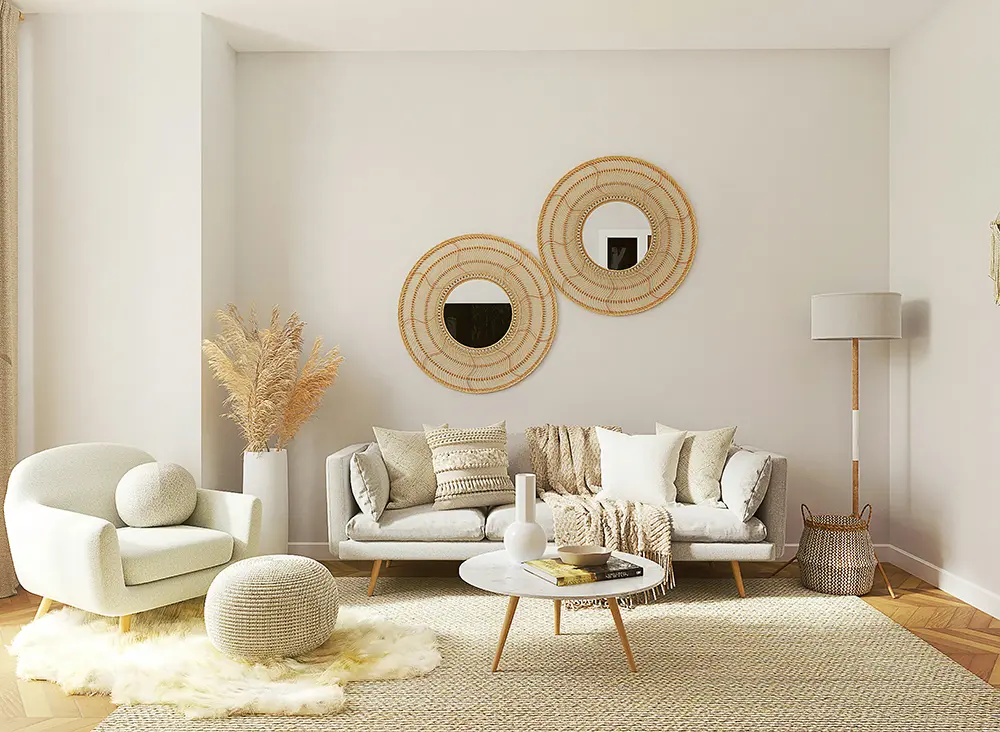
Angular, harsh lines are giving way to softer, more organic shapes throughout living room design. Curved sofas, rounded coffee tables, and circular accent chairs are dominating showrooms and designer portfolios. This trend reflects a broader cultural shift toward creating spaces that feel more welcoming and less institutional.
Interior designers report that curved furniture arrangements can make rooms feel up to 15 percent larger than traditional rectangular configurations, as the eye moves more fluidly around the space without stopping at sharp corners. Semicircular sectionals are particularly popular, offering generous seating while maintaining an open, flowing aesthetic.
The appeal extends beyond sofas and tables to include arched doorways, rounded mirrors, and wave-pattern shelving units that create visual interest without overwhelming the space. This softer approach to design psychology aligns with growing interest in biophilic design principles that connect indoor spaces with natural forms.
Multifunctional Spaces and Convertible Furniture
The average American living room now serves at least four distinct purposes beyond traditional entertaining, according to recent housing surveys. Work-from-home arrangements, home fitness routines, and digital entertainment have all claimed territory in what was once primarily a gathering space. Designers are responding with increasingly clever solutions for managing these competing needs.
Modular furniture systems allow homeowners to reconfigure their living rooms based on immediate needs. Ottoman storage units, nesting tables, and expandable console systems provide flexibility without sacrificing style. Wall beds designed to look like contemporary cabinetry when closed are appearing in living rooms, particularly in urban apartments where space comes at a premium.
Technology integration has become more seamless, with charging stations built into side tables, media centers that conceal equipment when not in use, and furniture designed to accommodate cable management invisibly. Smart home systems now control everything from window treatments to ambient lighting with voice commands or smartphone apps.
Lighting as Sculptural Statement
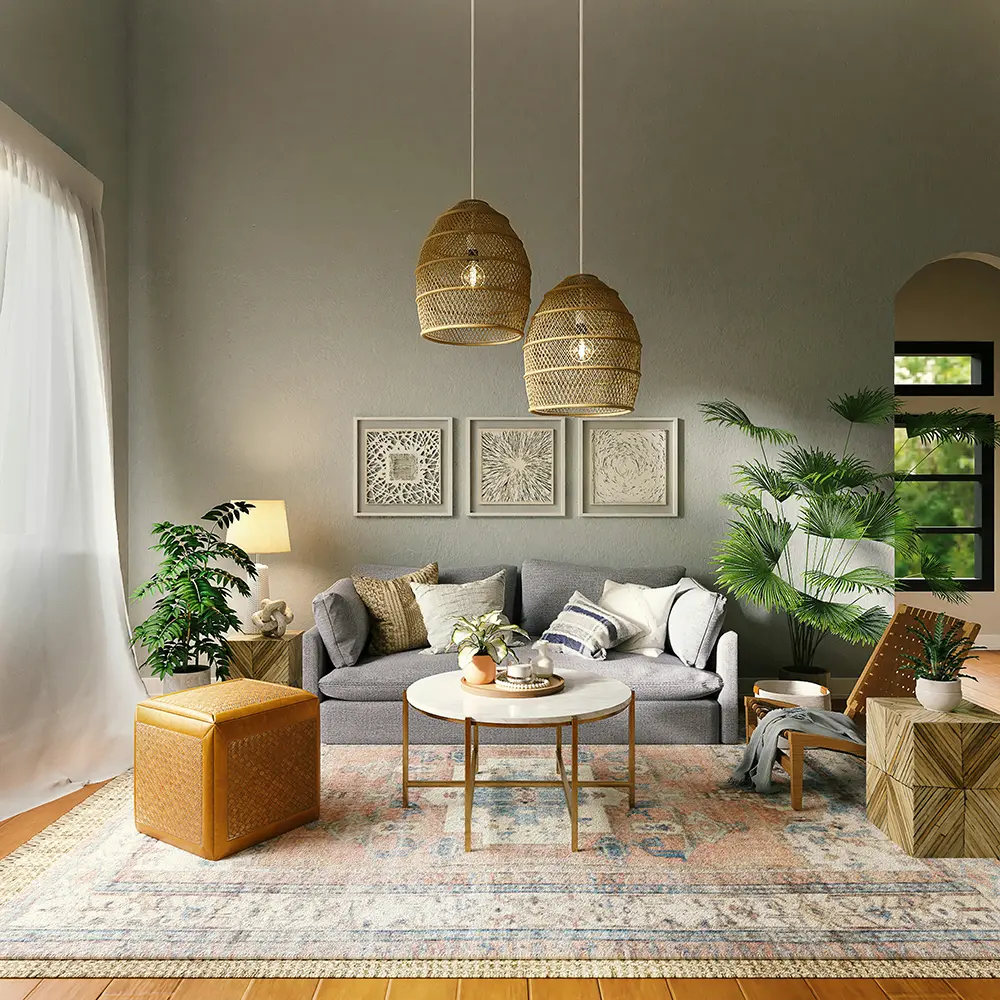
Lighting design has evolved beyond pure functionality to become a primary decorative element. Statement lighting fixtures, particularly oversized pendants and artistic chandeliers, serve as focal points that define the character of living spaces. The rise of ceiling fans with integrated lighting, aka fandeliers, represents the convergence of climate control and aesthetic design, offering homeowners year-round comfort without compromising visual appeal.
Layered lighting schemes have become standard practice, combining ambient, task, and accent lighting to create depth and atmosphere. LED technology advances have made it possible to adjust color temperature throughout the day, supporting natural circadian rhythms while adapting to different activities.
Decorative sconces and picture lights are experiencing renewed interest as homeowners seek to highlight art collections and architectural features. Floor lamps with adjustable arms provide targeted illumination while serving as sculptural elements that contribute to the overall design narrative.
Bold Color Returns with Confidence
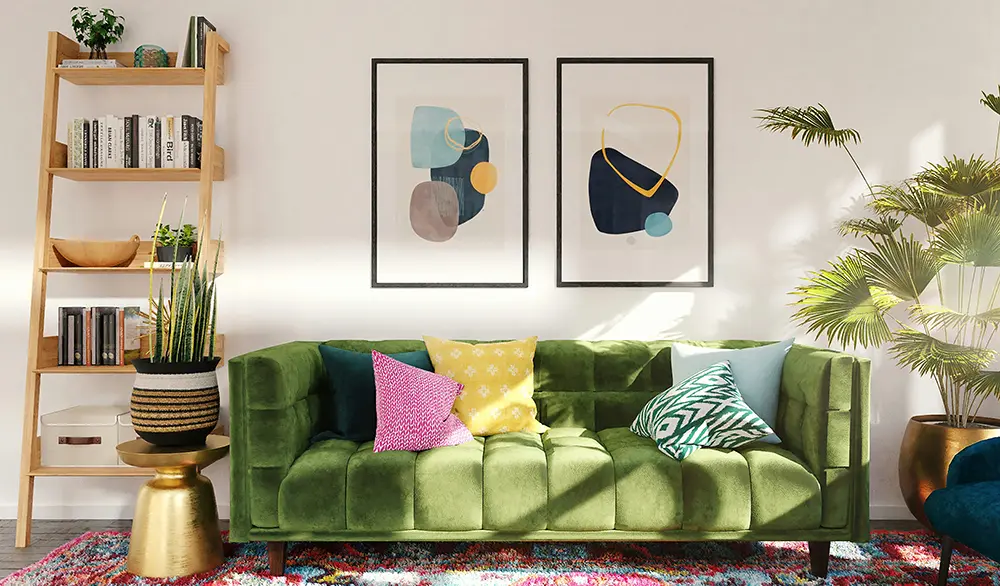
After years of neutral palettes dominating design magazines, 2026 marks the return of confident color choices. Deep jewel tones, particularly emerald green, sapphire blue, and rich burgundy, are appearing on accent walls and upholstered furniture. These saturated hues create drama and sophistication while providing emotional warmth that pure neutrals sometimes lack.
Color psychology research suggests that living rooms incorporating strategic pops of vibrant color can enhance mood and social interaction by up to 20 percent compared to exclusively neutral spaces. Designers recommend the 60-30-10 rule, where 60 percent of the room uses a dominant neutral shade, 30 percent employs a secondary color, and 10 percent introduces bold accent hues through accessories, artwork, or smaller furniture pieces.
Terracotta, rust, and warm ochre tones connect to the natural materials trend while providing visual warmth. These earthy colors pair beautifully with the sustainable wood and stone elements gaining prominence. Two-tone walls, where the lower portion features a darker shade than the upper, add architectural interest without major structural changes.
Pattern mixing has also gained acceptance, with designers encouraging homeowners to combine geometric prints, florals, and abstract patterns within the same space. The key lies in maintaining a consistent color palette across different patterns, allowing varied designs to coexist harmoniously. Textured fabrics in solid colors provide visual rest between patterned elements, preventing the space from feeling chaotic or overwhelming.
Bringing It All Together
The living room trends of 2026 reflect a maturation of design thinking that balances aesthetic innovation with practical concerns. Sustainability, flexibility, and personal expression converge to create spaces that serve multiple functions while maintaining cohesive style. By thoughtfully incorporating these trends, homeowners can create living rooms that feel both contemporary and enduring.
What distinguishes 2026 from previous design eras is the holistic approach to creating living spaces. Rather than following trends blindly, successful interiors result from careful consideration of how each element contributes to overall functionality and wellbeing. The emphasis on natural materials addresses environmental concerns while creating healthier indoor environments. Smart technology integration removes friction from daily routines without dominating the visual landscape.
The most successful living rooms will be those that tell authentic stories about the people who inhabit them. While trends provide valuable guidance and inspiration, the best spaces ultimately reflect individual taste, lifestyle requirements, and personal history. Whether embracing curved furniture, bold color choices, or innovative lighting solutions, the goal remains creating a living room that feels genuinely welcoming and perfectly suited to those who call it home.