

Let’s face it – when three (or more!) generations decide to share a home, it’s about much more than just squeezing in enough beds. It’s about creating a space where Grandma can enjoy her morning coffee in peace while the kids have their noisy breakfast just rooms away. Interior designer Hayley Servatius has mastered this balancing act, crafting multi-generational homes where everyone from toddlers to grandparents can live their best lives under one roof.
“Design brings a space to life by telling the story of the people who live there,” explains Servatius, who knows that in multi-generational homes, there are a lot of stories to tell!
Designing Zones That Connect and Separate
Ever watched a retired dad trying to read while his grandkids play video games? Or a work-from-home mom attempting a Zoom call during grandpa’s TV time? Hayley Servatius gets it. She starts every multi-generational project by watching how family members actually use their space.
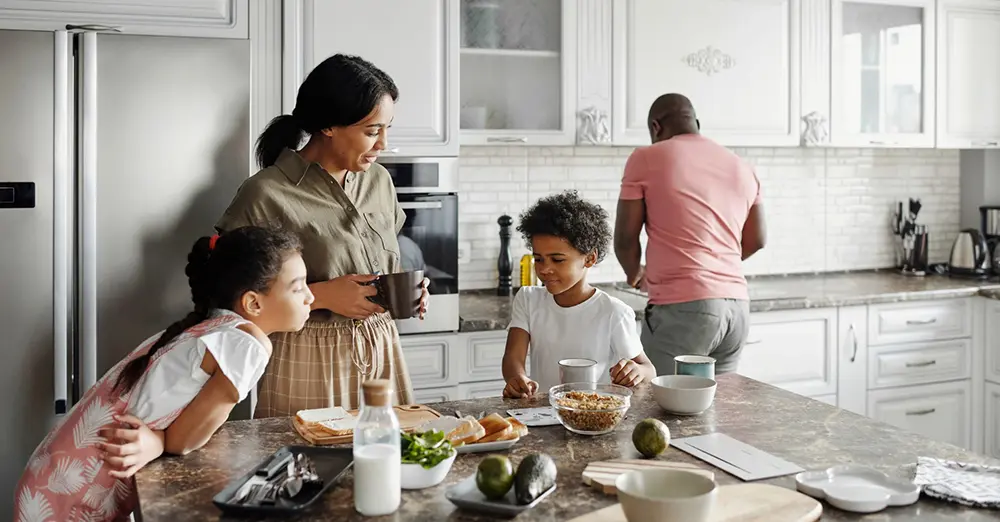
She might carve out a sunny corner with the perfect chair and lighting for grandparents who treasure quiet mornings with a book. Meanwhile, parents juggling remote work and family life get clever spaces that switch from professional to playful in minutes. And kids? They score areas designed to grow with them from building blocks to homework to hanging with friends.
“Your home needs to feel easy to live in, even when it’s fully styled. The balance between beauty and function is everything,” she points out.
The real magic happens where spaces meet – hallways become family galleries showcasing decades of memories, staircases feature little nooks where generations naturally stop to chat, and doorways widen not only for mobility but to create more welcoming transitions between each family member’s domain.
Privacy Without Isolation
The trickiest part of multi-generational living? Creating spaces where everyone can get away without feeling, well, away. Hayley Servatius has cracked this code with designs that offer independence without disconnection.
Think mini-apartments within the main home – complete with bedroom, bathroom, and cozy sitting area. Sometimes she’ll add a kitchenette so grandparents can make their midnight tea without waking the whole house, or adult children can entertain friends without commandeering the family kitchen. These spaces often feature separate entrances, giving family members true autonomy while keeping them close enough for Sunday dinners.
Sound management becomes a huge deal in these homes (especially when teenagers are involved!). “Mixing textures is like mixing flavors in cooking; they don’t all need to match, but they should balance,” Servatius explains. She’ll layer rugs, upholstery, and wall treatments to absorb sound between spaces, creating peace without prison-thick walls.
Spaces That Grow and Change
Multi-generational homes have to roll with the punches as babies become teens, adults become seniors, and family needs evolve. Hayley Servatius plans for this from day one, designing rooms that transform as easily as families do.
That adorable nursery? With the right built-ins, it morphs into a homework haven, then a guest room when kids leave for college, and maybe eventually circles back to a space where grandparents help care for a new generation of little ones. Dining spaces expand for holiday gatherings but contract for Tuesday night dinners.
“Colors are like the soundtrack to your home. They set the vibe,” Servatius says about keeping these shape-shifting spaces feeling cohesive. She often weaves consistent color threads throughout the home, creating a unified feel while still letting each area showcase its primary users’ personalities.
When Design Styles Clash
We’ve all been there – Grandma loves her antiques, Mom’s all about mid-century modern, and the teenagers want everything to look like their favorite coffee shop. In multi-generational homes, design preferences can span decades!
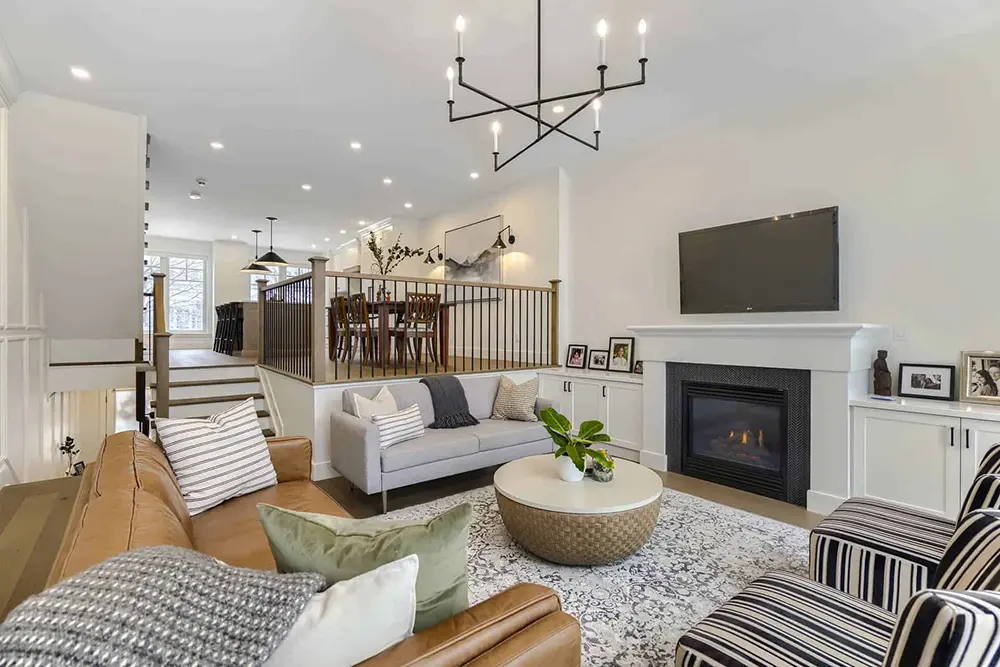
Hayley Servatius turns this potential clash into an opportunity. “Modern can feel a bit cold, and vintage can sometimes feel stuck in the past. But together? They’re like the best conversation you’ve ever had,” she explains.
She might place Grandpa’s cherished wood dining table beneath a sleek contemporary light fixture, or frame family heirlooms against a backdrop of clean, modern wall colors. These combinations honor everyone’s taste without making the home feel like a mismatched museum.
The beauty of Servatius’ approach is that she doesn’t see multi-generational design as compromise – where nobody gets exactly what they want. Instead, she helps families create something entirely new together – spaces that honor where they’ve come from while celebrating where they’re going.
When done right, these homes become more than the sum of their parts. They’re living, breathing family albums where the littlest ones learn to walk while the oldest ones share stories, where holiday traditions take root and new memories bloom. They’re not perfect – no home with multiple generations ever could be – but they’re perfectly suited to the beautiful mess that is family life across generations.