

Every home requires a dependable heating and cooling system to maintain comfort throughout the year, but selecting the right one can be a complex process. With numerous models and technologies available today, homeowners must consider factors like energy efficiency, system size, climate, and installation requirements before making a decision. The right system not only ensures a comfortable indoor environment but also helps lower energy consumption and reduce long-term maintenance costs. A thoughtful approach can make the difference between years of efficient comfort and ongoing performance issues that drain both energy and money.
Finding the Right Fit for Your Home
Choosing the ideal system begins with understanding your home’s specific needs. The size, layout, and insulation quality directly influence how effectively a heating and cooling unit can operate. A small system in a large space may struggle to maintain desired temperatures, while an oversized system can lead to unnecessary energy use and uneven comfort. Consulting a qualified HVAC technician for a home load calculation helps determine the correct capacity for your heating and cooling system. This calculation takes into account square footage, ceiling height, the number of windows, and exposure to sunlight. The goal is to achieve a system size that balances efficiency with consistent indoor comfort, preventing the problems caused by improper sizing.

Energy Efficiency and System Performance
Energy efficiency should be one of the primary considerations when choosing a heating and cooling system. High-efficiency models may cost more upfront but significantly reduce monthly energy bills over time. Ratings such as SEER (Seasonal Energy Efficiency Ratio) for cooling and AFUE (Annual Fuel Utilization Efficiency) for heating provide useful benchmarks for comparison. Systems with higher ratings use less energy while delivering the same level of performance. Many homeowners also prefer systems with variable-speed motors and smart thermostats that automatically adjust based on indoor and outdoor conditions. When combined with professional installation and maintenance from trusted providers, such as those offering Mesa home cooling and heating repair, efficient systems maintain superior performance while conserving energy and extending their lifespan.
Considering Climate and Local Conditions
Different regions have varying climate patterns, and these conditions play a major role in selecting the right HVAC system. Homes in colder areas benefit from efficient furnaces or heat pumps designed to withstand freezing temperatures, while those in warmer climates require powerful yet economical air conditioning systems. Humidity levels also play a significant role; systems equipped with built-in dehumidifiers or humidifiers can enhance indoor air quality and comfort. Local weather fluctuations, altitude, and seasonal extremes all affect energy demand. Homeowners should select systems that perform well under their region’s specific conditions, ensuring consistent comfort and manageable operating costs throughout the year. A system designed for the local environment lasts longer and requires fewer repairs than one that struggles to meet weather demands.
Evaluating Different System Types
Understanding the different types of heating and cooling systems helps narrow down choices. Central air conditioning and furnaces remain popular for whole-home comfort, while heat pumps offer both heating and cooling capabilities in a single unit. Ductless mini-splits provide flexibility for homes without existing ductwork or for specific rooms that require independent temperature control. Geothermal systems, though costly to install, use the earth’s natural temperature to deliver energy-efficient heating and cooling. Each system type comes with distinct installation, maintenance, and cost considerations. Homeowners should weigh these factors against their home’s design, energy goals, and long-term plans before finalizing a system that matches their comfort needs.
The Role of Proper Installation
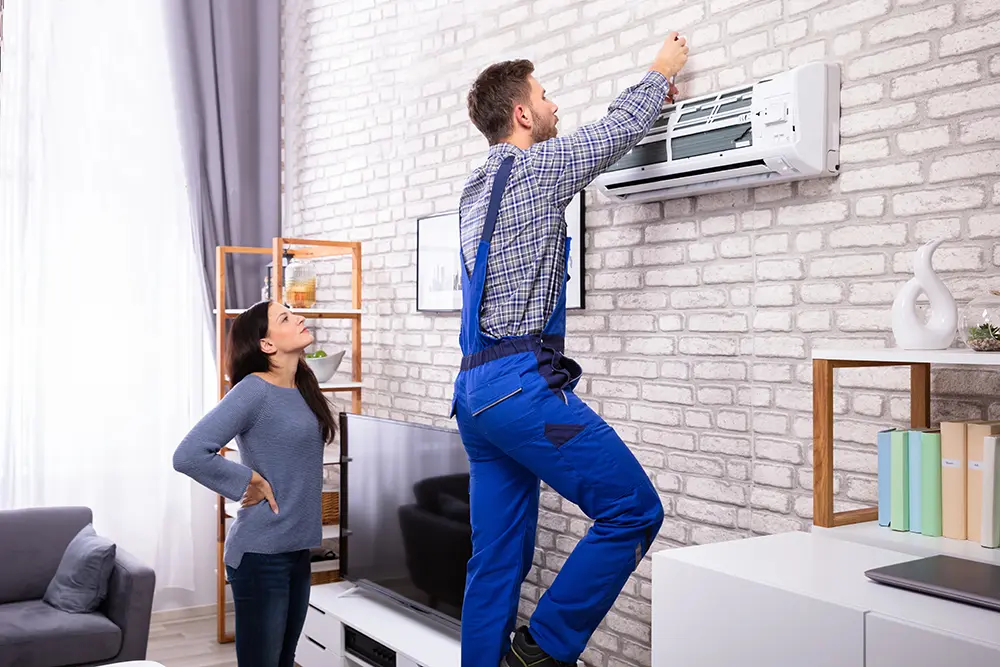
Even the most advanced system cannot perform efficiently without correct installation. Proper setup ensures that the equipment operates at its intended efficiency level, reducing the risk of energy waste and mechanical issues. A professional installer checks the ductwork, seals air leaks, and calibrates thermostats to ensure precise temperature control. They also confirm that the refrigerant levels, airflow, and electrical connections meet safety and performance standards. Incorrect installation can lead to poor air distribution, noise problems, or premature system failure. Choosing a reliable contractor with proven experience ensures that your new heating and cooling system functions smoothly from day one and maintains its efficiency over time.
Maintenance and Longevity
Once installed, routine maintenance is essential for keeping a heating and cooling system in optimal condition. Regular inspections, filter changes, and coil cleaning prevent small issues from becoming costly breakdowns. Homeowners should schedule professional tune-ups at least twice a year—once before summer and once before winter. Preventive care not only improves energy efficiency but also prolongs the lifespan of the system. Modern HVAC systems often come with maintenance reminders and smart monitoring features that alert users to potential problems. Keeping the system well-maintained helps sustain indoor comfort, minimize unexpected repair expenses, and maximize the value of the investment.
Smart Controls and Modern Features
Technological advancements have revolutionized the operation of heating and cooling systems. Smart thermostats, zoning controls, and connected home features allow users to customize temperatures based on occupancy, time of day, or weather forecasts. These tools enhance comfort and efficiency by reducing energy use when rooms are unoccupied. Homeowners can remotely monitor and adjust their systems using smartphones or voice assistants, ensuring a comfortable environment before arriving home. Many modern systems also integrate with renewable energy sources, such as solar panels, further reducing operating costs. These intelligent features create a personalized environment that adapts automatically to lifestyle patterns, making comfort management easier and more efficient than ever before.
Environmental Impact and Sustainability
As environmental awareness grows, many homeowners prioritize eco-friendly heating and cooling options. Systems that use renewable energy or environmentally safe refrigerants reduce the carbon footprint of the home. Geothermal and air-source heat pumps are excellent examples of sustainable systems that offer high efficiency and lower greenhouse gas emissions. In addition, upgrading insulation and sealing air leaks enhances system performance and reduces energy waste. Sustainable HVAC choices not only benefit the planet but also qualify for government incentives or tax credits in many regions. Homeowners seeking to invest in long-term comfort and sustainability can opt for systems designed with both efficiency and environmental responsibility in mind.
Balancing Budget and Value
Selecting a new heating and cooling system requires striking a balance between initial investment and long-term value. While lower-cost units may seem appealing, they often lead to higher energy bills and more frequent maintenance. High-efficiency systems, though more expensive upfront, typically pay for themselves through energy savings over time. Homeowners should consider financing options, rebates, and manufacturer warranties when evaluating the total cost. A well-chosen system adds value to the property, enhances indoor comfort, and reduces monthly expenses. Investing wisely ensures comfort for years while maintaining financial stability and environmental responsibility—a decision that pays dividends both in performance and peace of mind.

Choosing the right heating and cooling system for your home involves understanding your environment, comfort needs, and energy goals. The ideal system offers efficient performance, durability, and value tailored to your household’s specific requirements. By considering factors such as size, climate, installation quality, and maintenance, homeowners can make a decision that ensures lasting comfort and cost savings. With today’s advanced technologies, it’s easier than ever to create an efficient, reliable indoor climate that adapts to your lifestyle while protecting the planet. The right choice transforms everyday living—bringing comfort, control, and peace of mind throughout every season.