

Large houseplants have long been a favorite way to bring texture, warmth, and visual calm into living rooms, home offices, and entryways. Their appeal isn’t just a passing trend—well-placed greenery has supported human wellbeing for generations, and research consistently points to reduced stress and improved focus in plant-filled spaces. Many home gardeners lean on massive indoor plants as focal points that anchor open-plan spaces, while others prefer blending medium and large specimens for a softer, layered look. If you’ve ever bought one striking plant and then found yourself wondering how to build an entire corner around it, you’re far from alone—massive indoor plants tend to be where this kind of design journey starts. Thoughtful planning matters more than plant size, and that idea runs through everything that follows.
Understanding the role of scale in indoor plant design
Scale is really about matching a plant’s height, width, and leaf size to the dimensions of your room and furniture. A focal plant—tall, architectural, impossible to ignore—works best flanking a sofa or filling an otherwise empty corner. A supporting plant, on the other hand, adds depth and fullness without stealing the spotlight. As rough guidelines, size classes break down into small (under 2 feet), medium (2–4 feet), and large (5 feet and taller). Bigger isn’t automatically better, though; a plant still needs to leave room for walkways and feel proportional to the ceiling height and surrounding furniture, not overwhelm it.
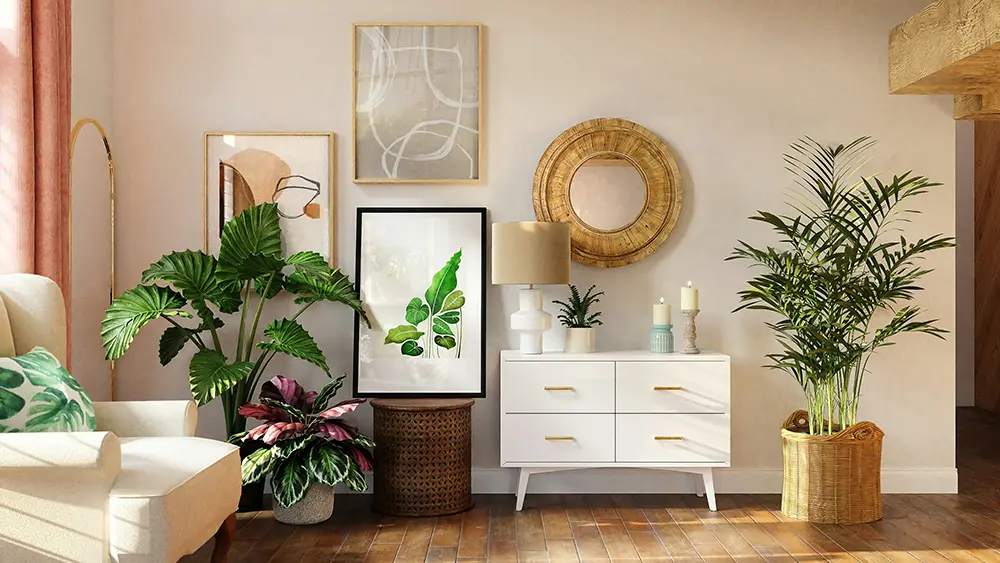
Assessing your space: light, humidity, and layout
Before you choose any plants, take a real look at your room. Note which direction the windows face, how many hours of daylight the space gets, and whether trees or nearby buildings block that light. It helps to categorize areas as sunny, high-light, medium-light, or low-light, since bright indirect light suits most large tropical species—plants that may drop leaves or grow leggy and thin if left in a dim corner. Humidity matters too; grouping plants together or setting up pebble trays can raise the moisture level around them. Beyond that, keep an eye on airflow and foot traffic in the room. Key takeaway: plants need to match the room’s conditions, not the other way around.
Choosing plant types that suit your lifestyle and skill level
Some plants shrug off occasional neglect, while others demand consistent attention and steady humidity. Ask yourself a few honest questions: How often do I travel? Am I actually going to check soil moisture every week? Do I enjoy pruning, or does it feel like a chore? Choose plants for the life you actually live, not the ideal routine you imagine you’ll keep up. Beginners are usually better off starting with one or two manageable plants and only expanding into a full green corner once those first ones are thriving.
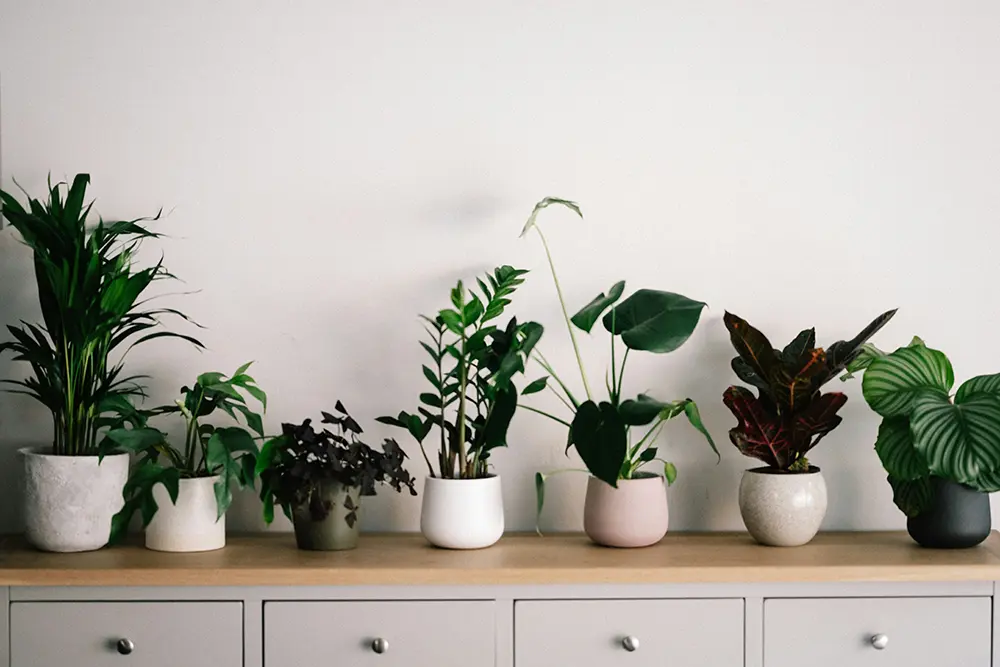
Placement strategies: creating a balanced, safe, and functional layout
A single large plant can serve as a visual anchor near a window or bookcase, while a cluster of smaller plants can create that same sense of presence in a tighter space. Make sure there’s adequate clearance so leaves aren’t constantly brushed against, rotate plants every so often for even growth on all sides, and rely on stable containers with drainage to protect both floors and roots. It’s worth avoiding spots near heaters, blocked doorways, or high-traffic zones where pets or curious kids might knock things over.
Long-term care basics for larger indoor plants
Water thoughtfully—let the top layer of soil dry out before rewatering, checking with a finger test or a moisture meter rather than guessing. Larger pots hold more soil and generally need watering less often, but they still depend on good drainage to avoid soggy roots. Stick with a well-draining potting mix, fertilize modestly during active growth periods, and wipe down leaves occasionally so the plant can photosynthesize efficiently. When in doubt, water less rather than more, and adjust based on what each species actually needs.
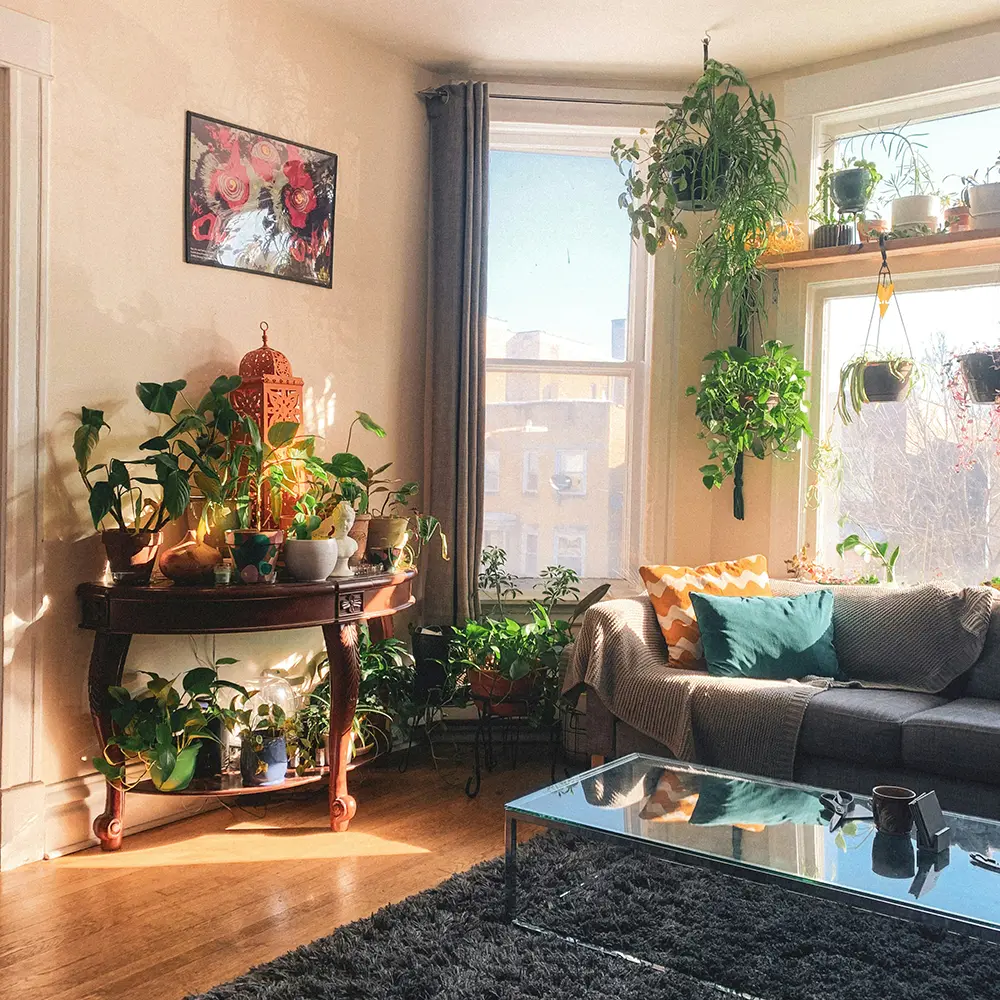
Designing for wellbeing: plants as part of a healthy home environment
Research suggests indoor plants can genuinely improve attention and lower stress levels. A well-placed large plant can become a calming visual anchor in a workspace or reading nook, something your eyes naturally rest on. That said, the wellbeing benefits only hold up if the plants are both visually pleasing and realistically cared for, so it pays to balance ambition with sustainability—reuse containers, share cuttings with friends, and avoid taking on more than you can comfortably maintain.
Final reflections: building a plant-filled space that lasts
Start small, pay attention to how your space behaves, and let your collection grow as your confidence does. Thoughtful planning is what turns indoor plants—large or small—into lasting, livable design.